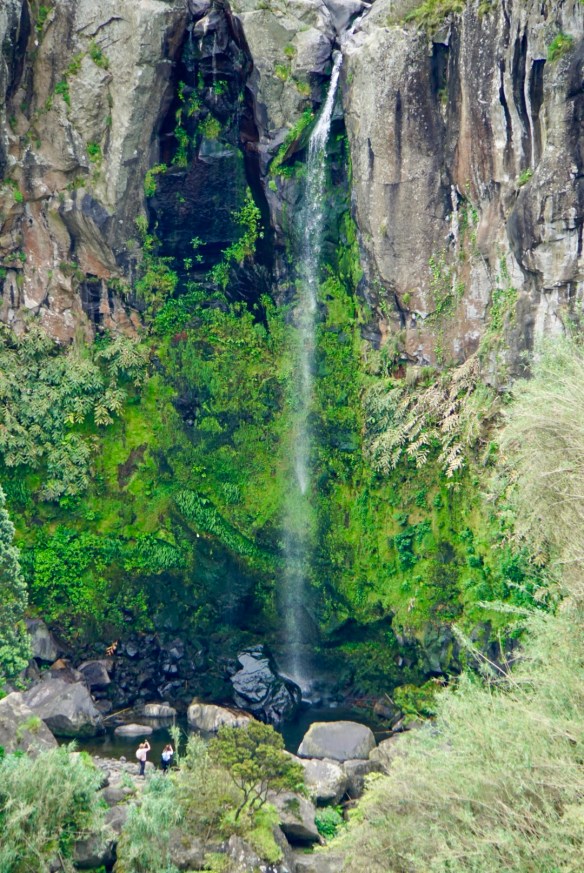
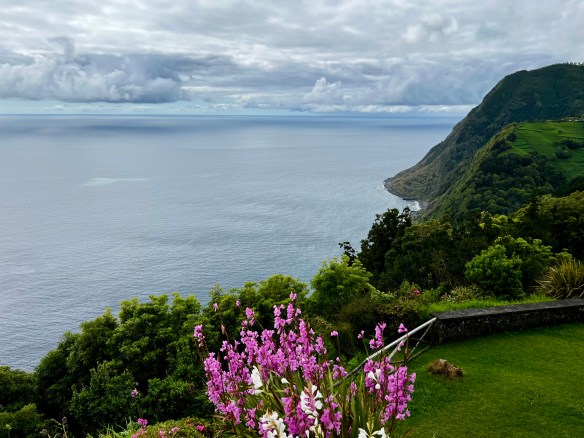
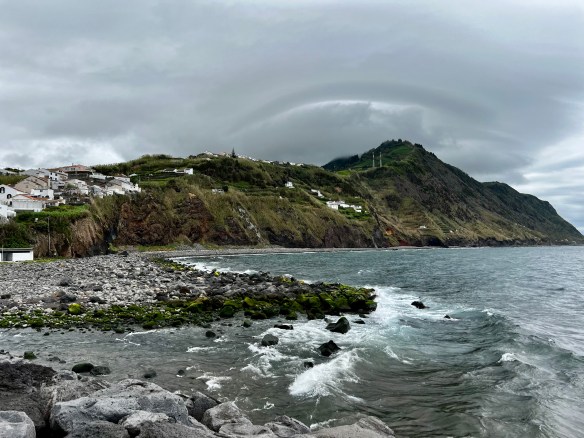
Foz do Douro

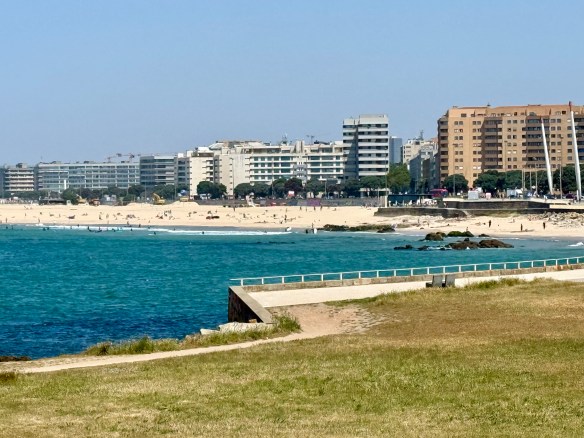
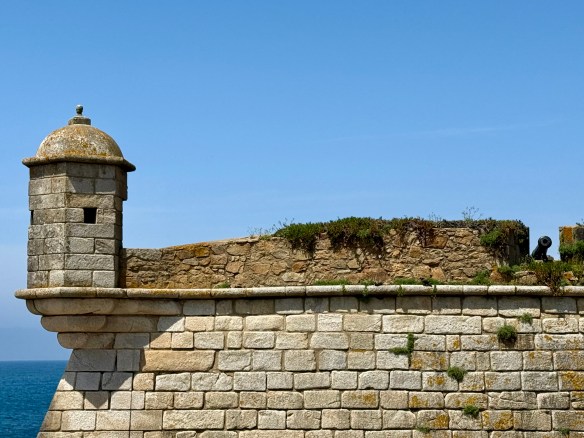
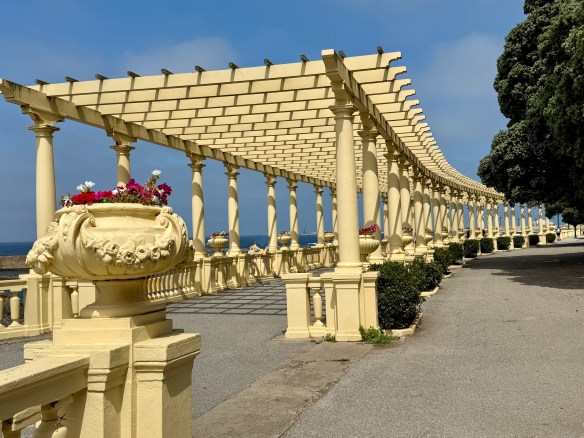
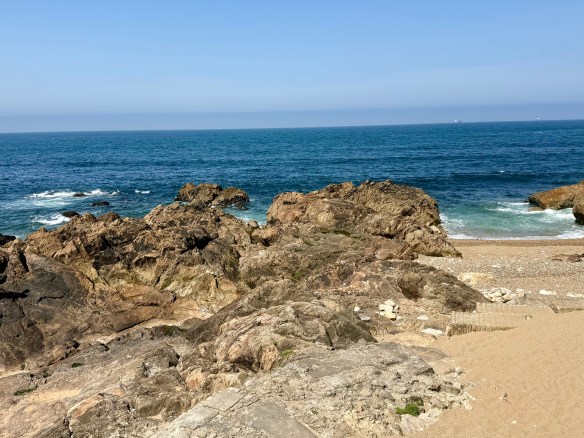
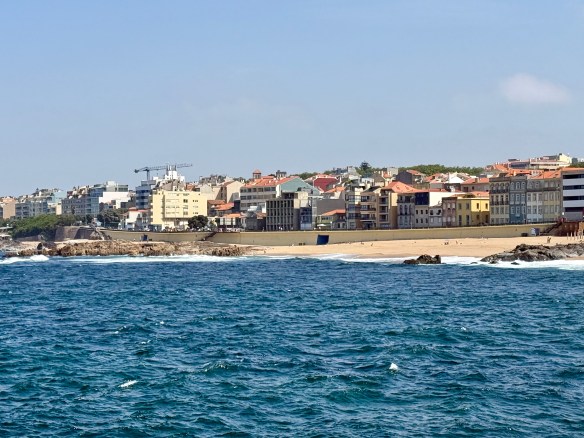
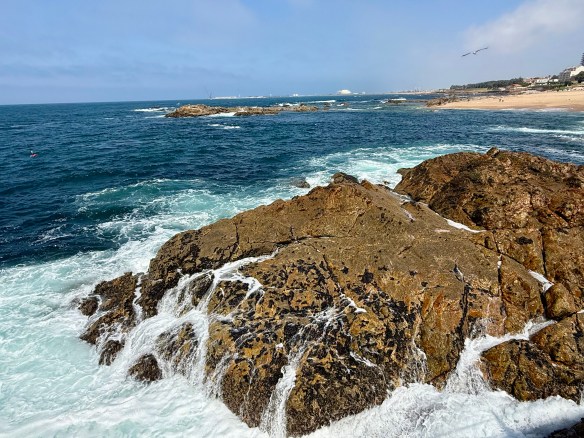
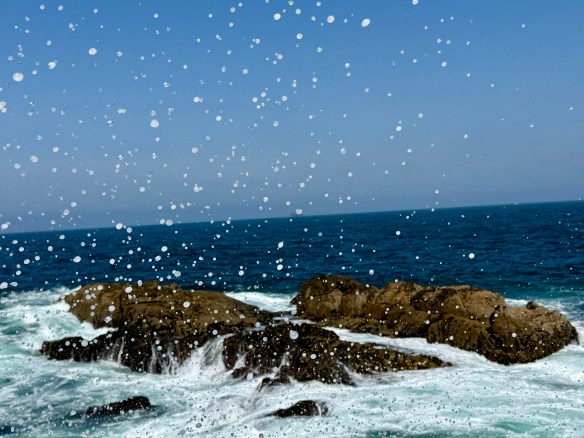
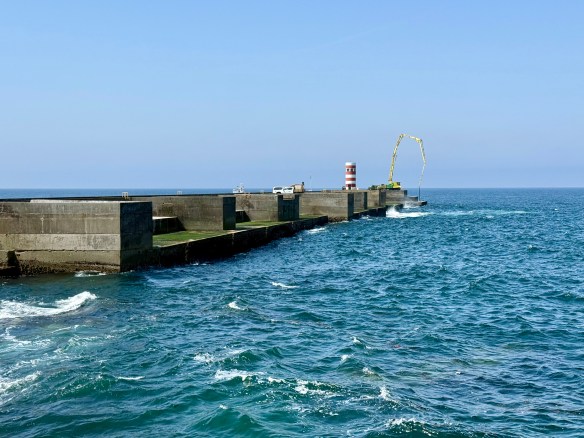
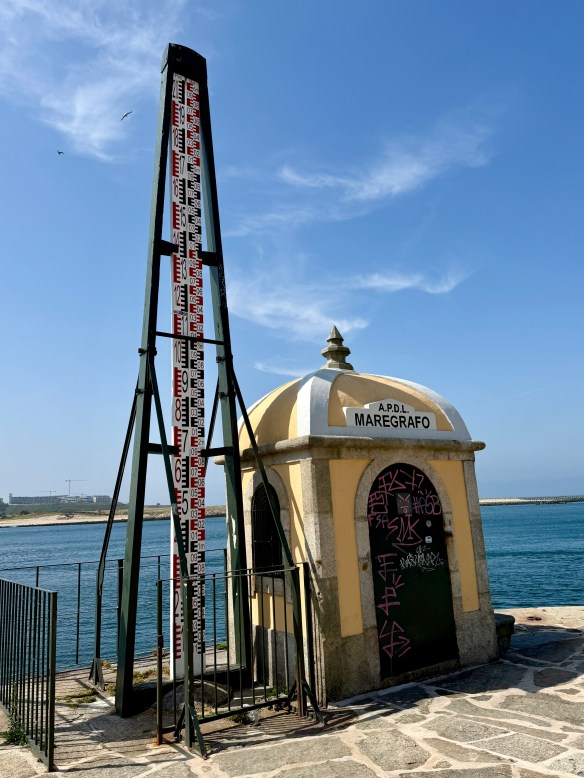
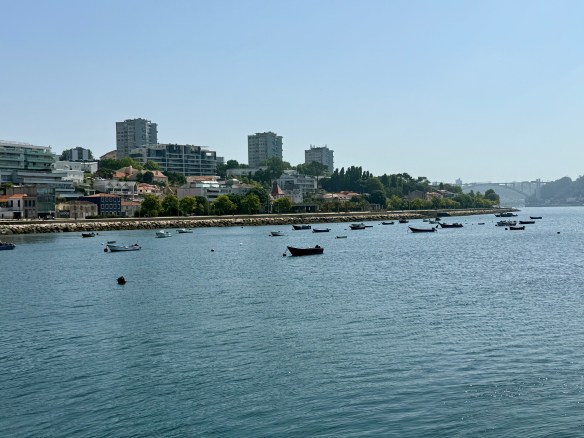
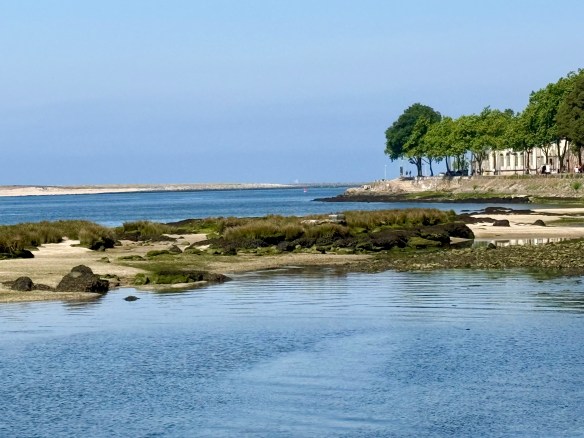
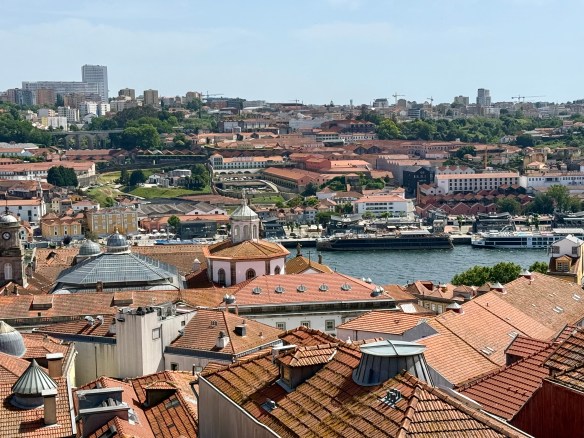
We spent the last day of the trip walking from Porto to Foz. Although you can take a street car or bus, it was a nice hour and half walk from Porto to Foz. It was along the Douro river for the most part. Foz is located at the mouth of the Douro river and Atlantic Ocean.

Luckily for us, the walk was much cooler than previous days. The walk also happens to be the start of a Camino that starts in Porto. Since we left in the morning, we were on the path with many pilgrims starting their 14 day journey to Santiago. It has been fun watching all the pilgrims on their journey. We actually were on a cable car in Porto from a gentleman from Beaverton, Oregon who was beginning his trek to Santiago.

Foz was a nice beach town. We walked around until some restaurants opened so we could get lunch before walking the hour and half back to Porto. We found a nice little restaurant with a very nice owner from Argentina. He said there are a lot of Americans living in Foz and even gave us his business card after lunch in case we ever decide to move there.

We headed back to Porto to pack and get ready to travel back to the US. It was nice seeing different places that aren’t as touristy. Some of the recommendations came from AI which has been a helpful new tool in planning travel. For now, we are headed back to the US and back to work soon.

Porto

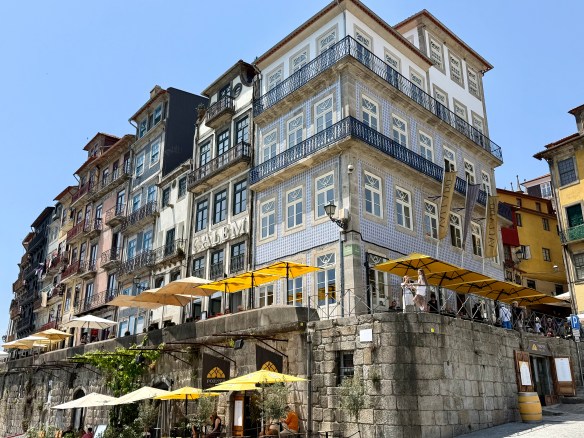
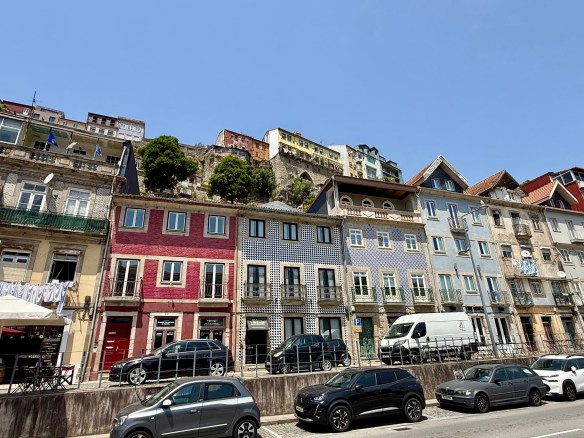
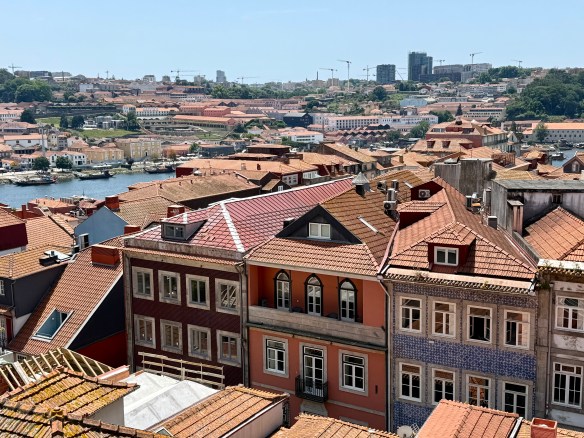
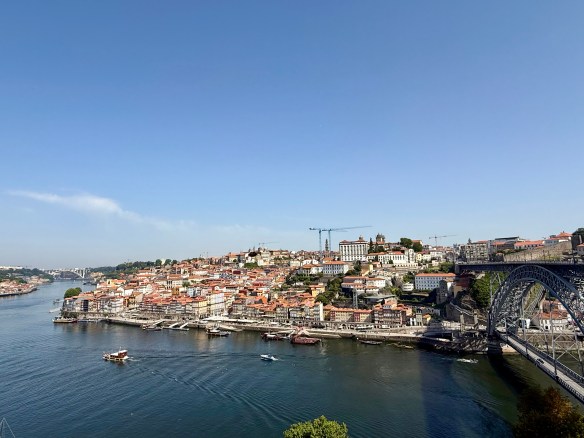
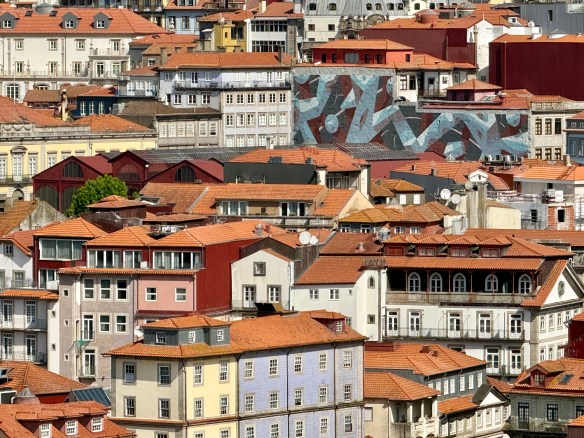
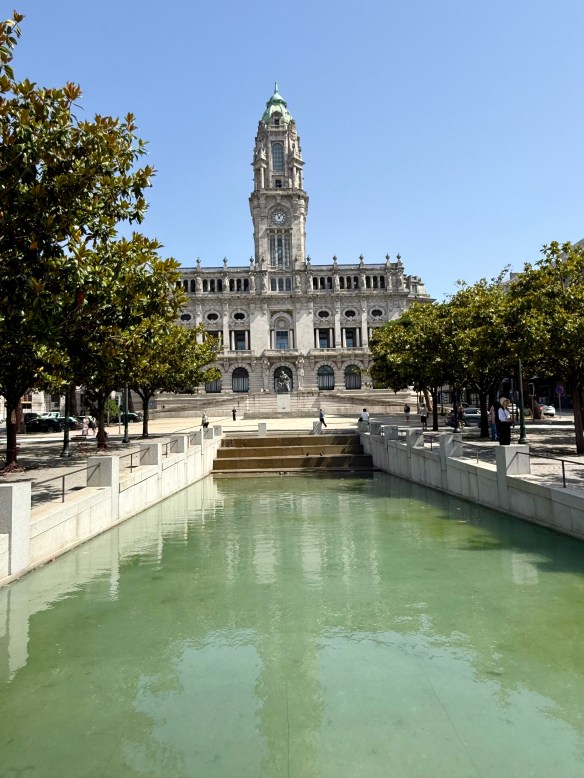
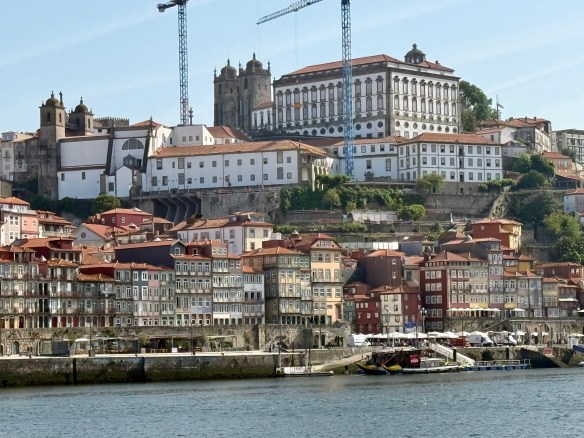
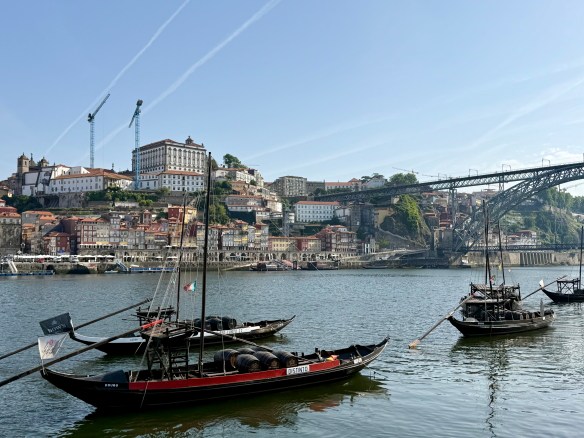
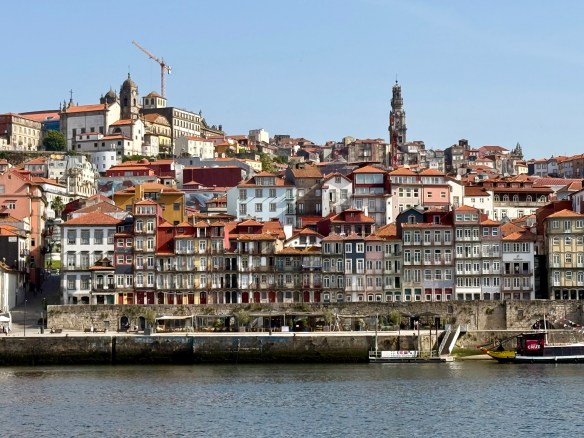
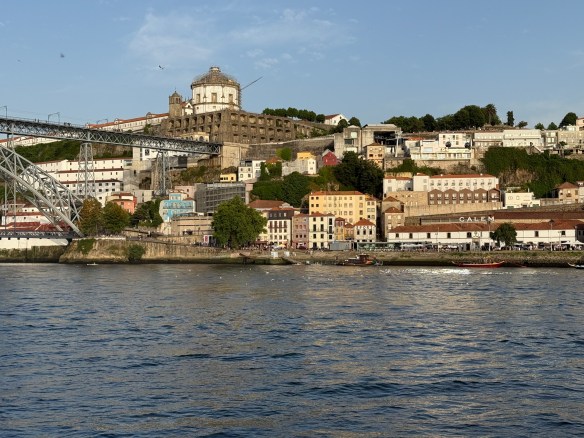
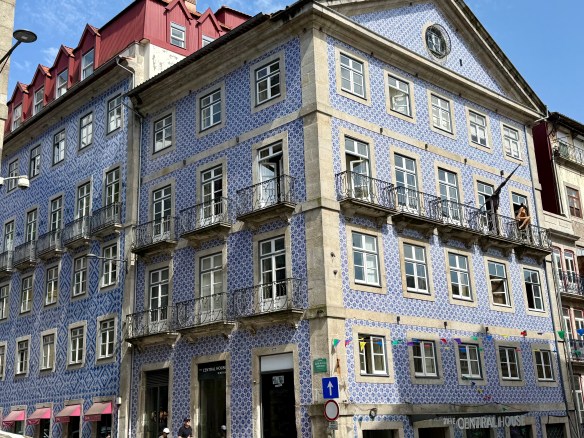
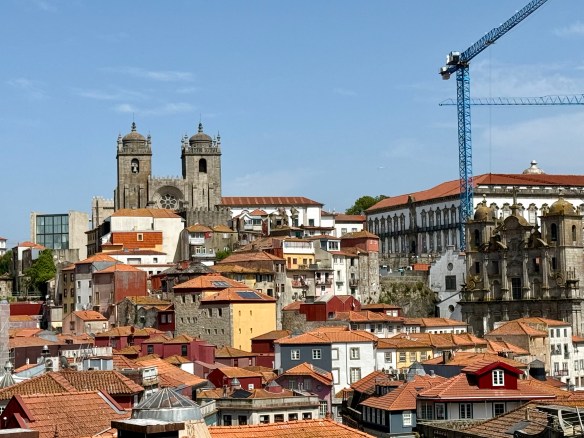
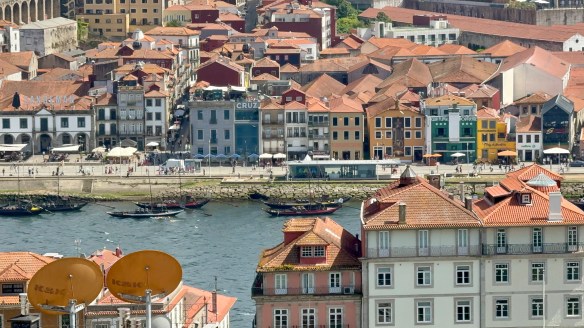
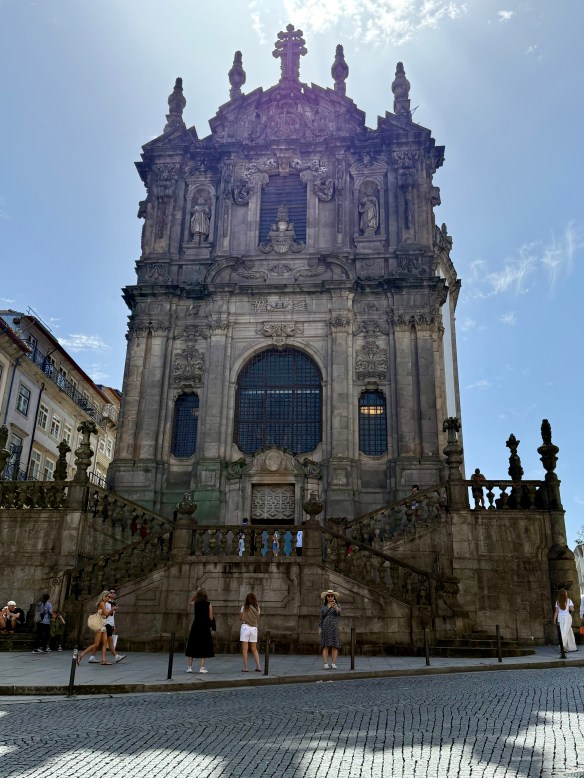
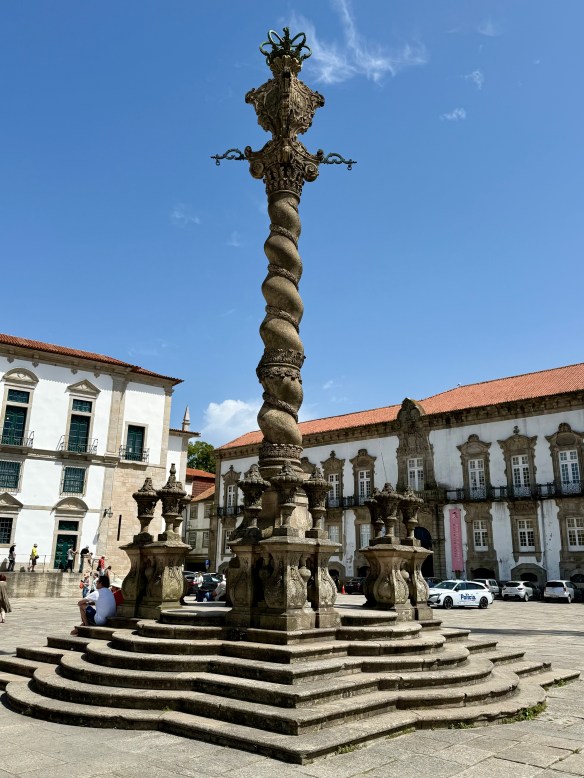
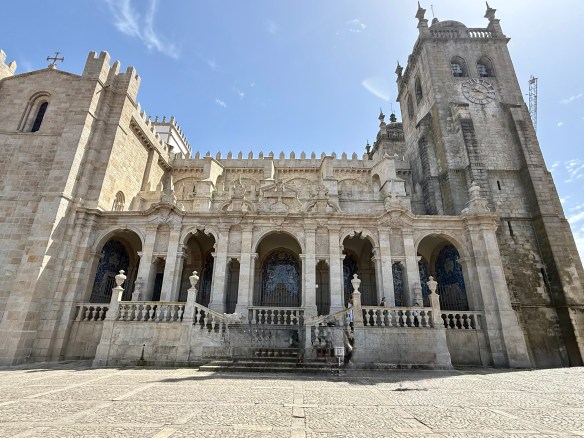
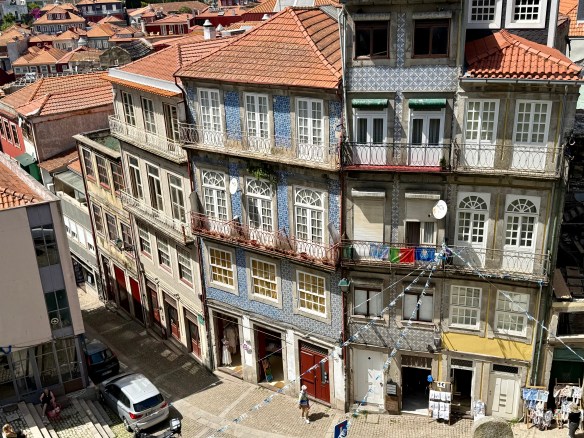
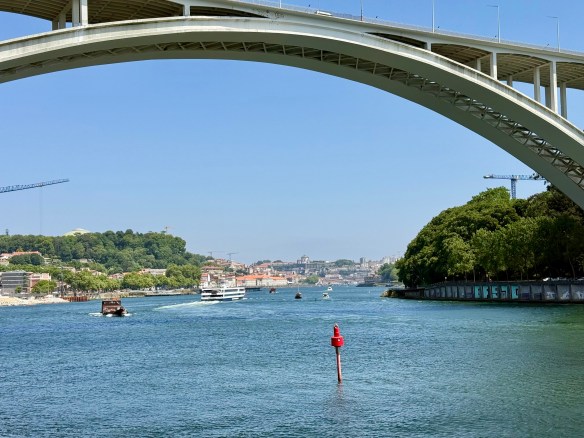
We arrived in Porto yesterday and have spent the last couple of days walking around the city. The city is built on a hillside and has beautiful old buildings. There is a double deck bridge that you can walk over either on the lower deck or the upper deck if you want to get a good view of the historic city.

It has been so nice to be in a larger city where you can get food any hour of the day. The smaller towns were nice but you are very limited to what hours you can get lunch or dinner. Our first stop was to the Time Out Market to get an easy meal.

The city is very crowded with tourists. You probably hear more English than Portuguese in the main areas. And every corner has tourist information and tours you can book. So it has been an adventure of how to navigate the city without the huge crowds of tour groups every way you turn.

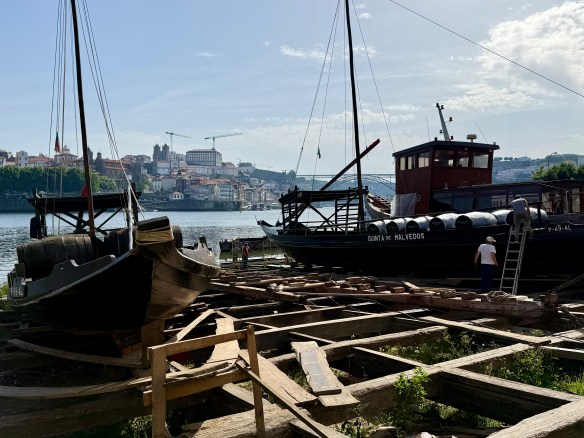
By law, Port wine can only be made in this region. You can still see the old boats that used to transport the wine in the river. The boats are called Rabelos and were used from the 13th century all the way to 1971. They were built with a flat bottom to help navigate the rapids on the river and avoid hitting rocks in the shallow areas. Although they aren’t in use now, the wineries do race them once a year from the mouth of the river to the bridge.

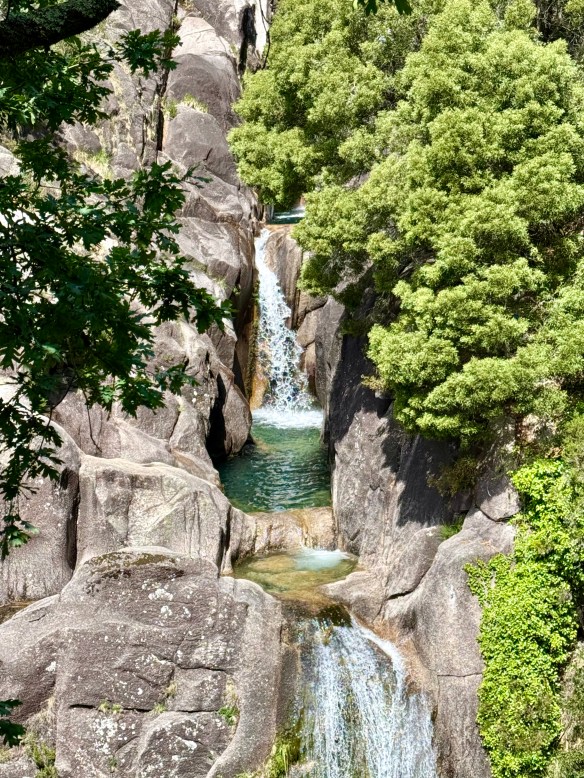
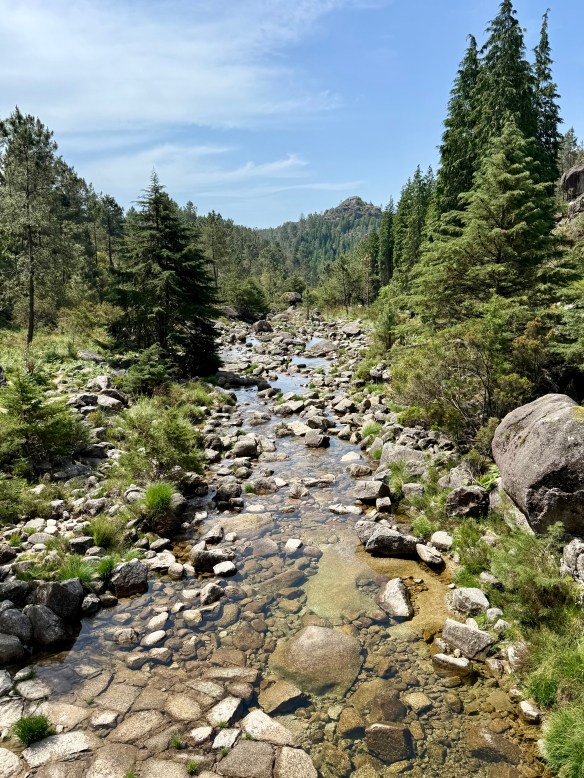
Peneda-Gerês National Park

We drove to northern Portugal yesterday with a quick stop in Santiago. It was inspirational watching pilgrims finish their journey and watching so many people in center cheer them on as they entered the square.

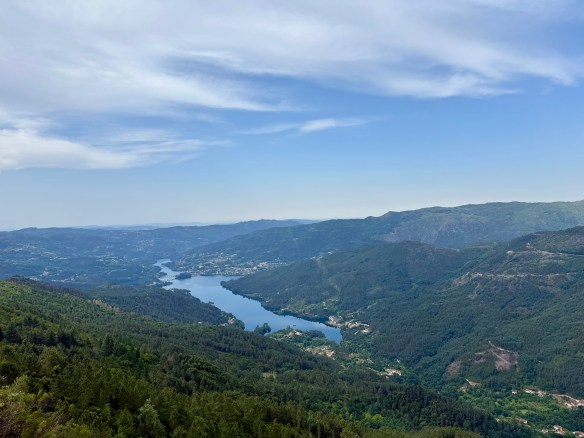
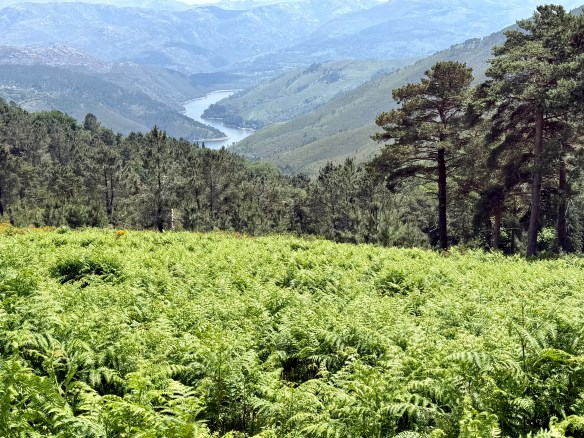
We then continued on to our next stop which is near the town of Caniçada. The hotel sits up on the mountainside looking over Cávado River which really looks more like a lake.

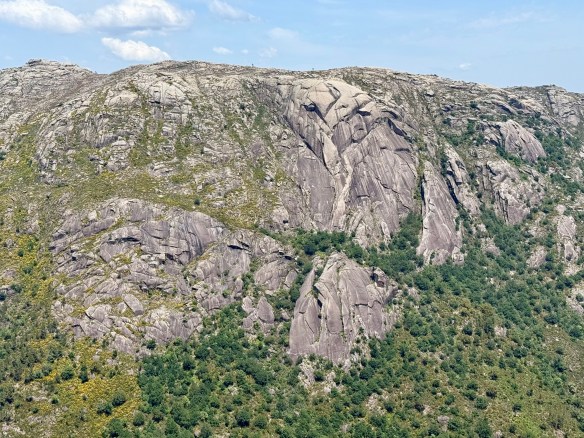
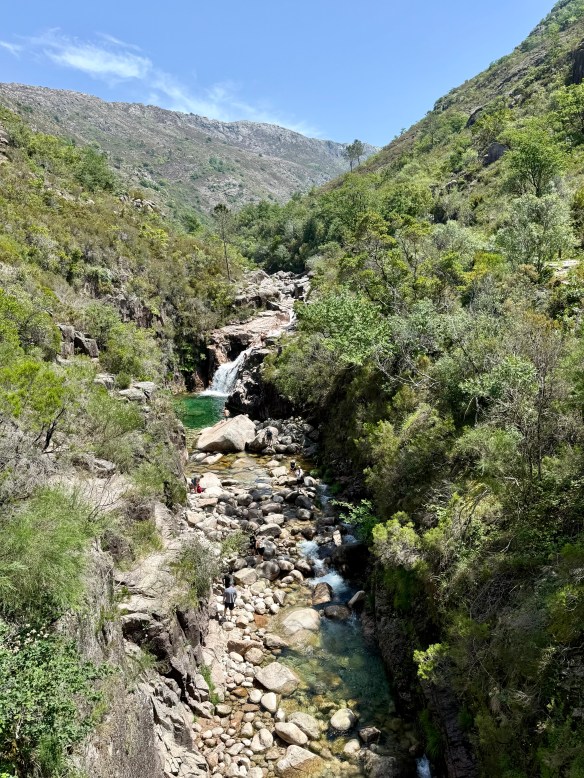
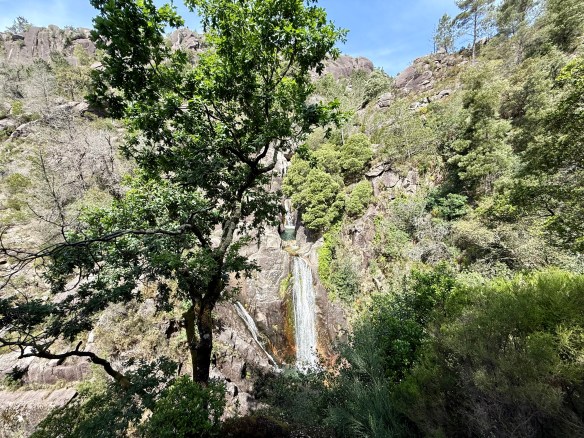
We spent today doing more of a driving tour of the park but did have a couple of small hikes and visits to very little towns. The park is also on the Spain/Portugal border. One of the mountain roads took us through an old check point for the border crossing. This is a popular area for hiking, and there are historic Roman roads.

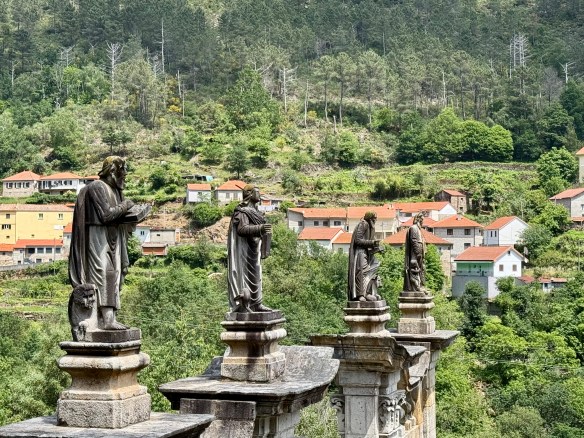
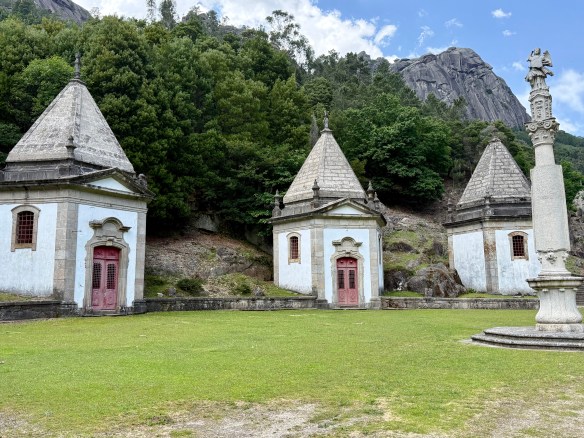
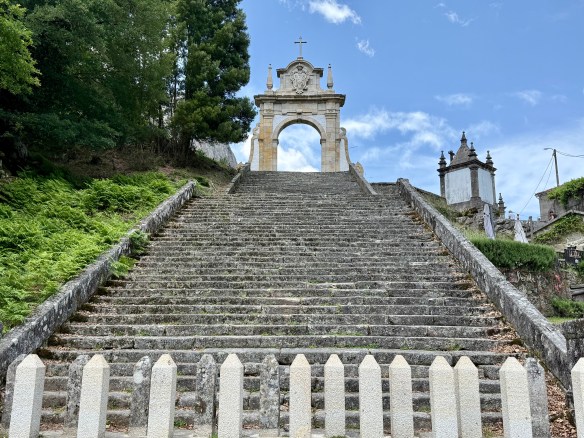
One of our stops was Santuário de Nossa Senhora da Peneda. It was an old sanctuary that was carved into the hillside and is a major pilgrimage site.

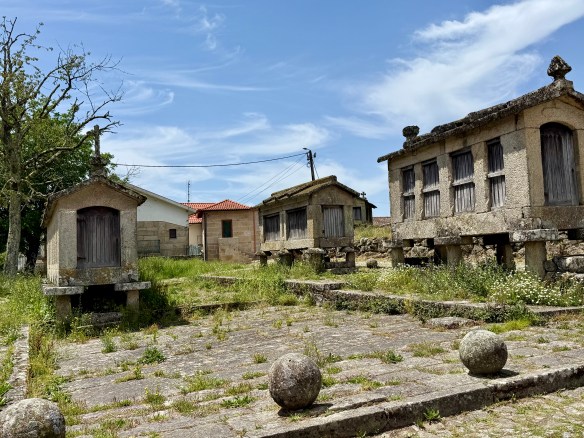
Another interesting thing was finally figuring out what these concrete structures were that we would see in towns. They are called espigueiros which are granite granaries that are iconic markers of the agricultural heritage in northern Portugal. They were designed to store grain (mainly corn) in this damp mountainous climate. Although most that are still around are from the 18th and 19th century, the introduction of the granaries in this area is dated back to the 16th century.

Ribadeo, Spain

We drove from the mountains to the northern coast of Spain. Ribadeo is more of a fishing port but it is still on the northern Camino route so we see a lot of pilgrims on their way to Santiago.

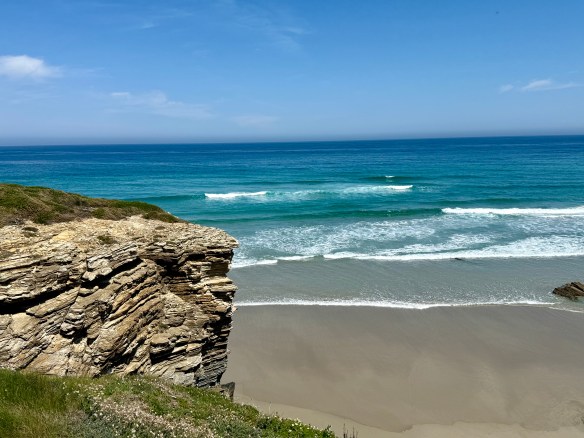
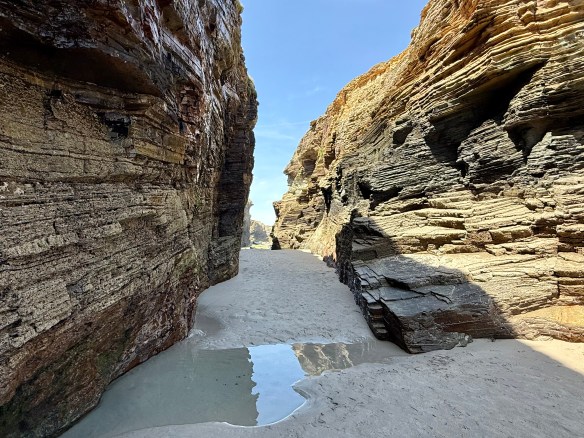
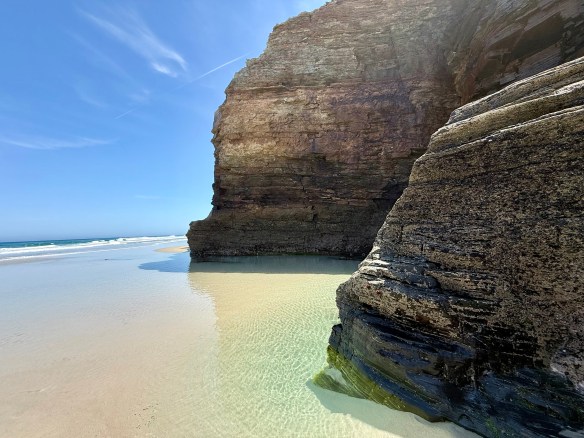
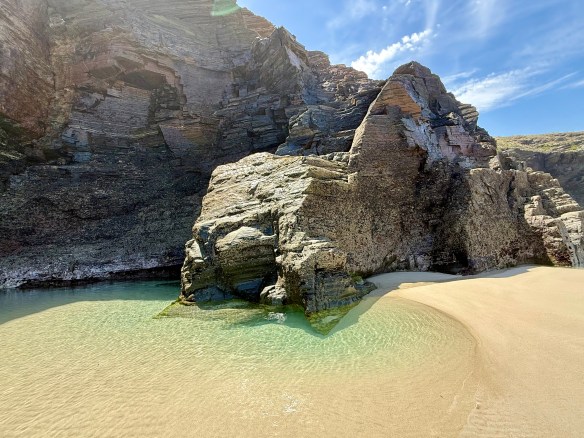
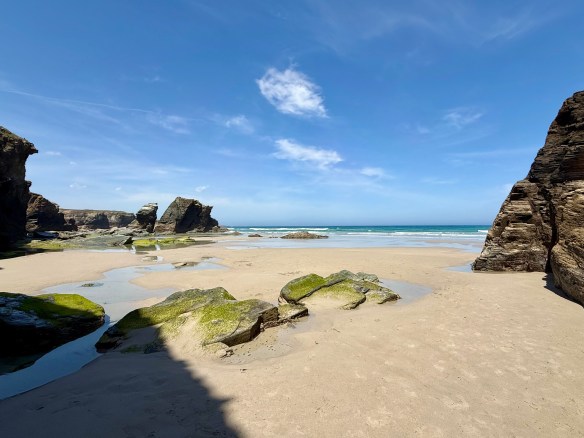
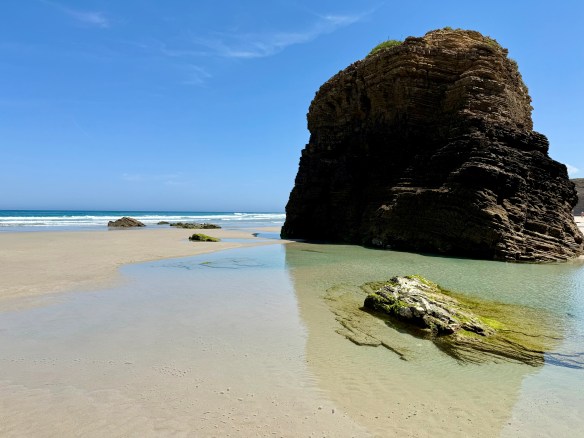
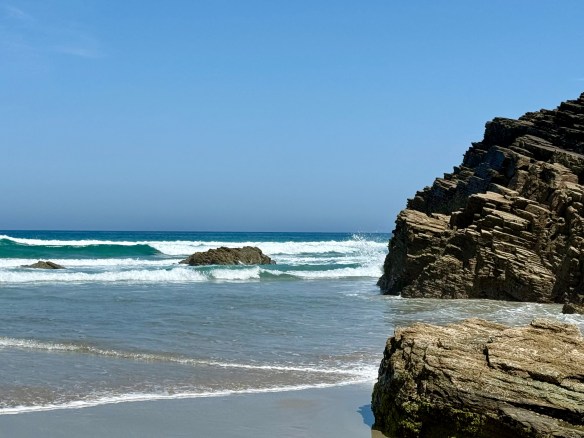
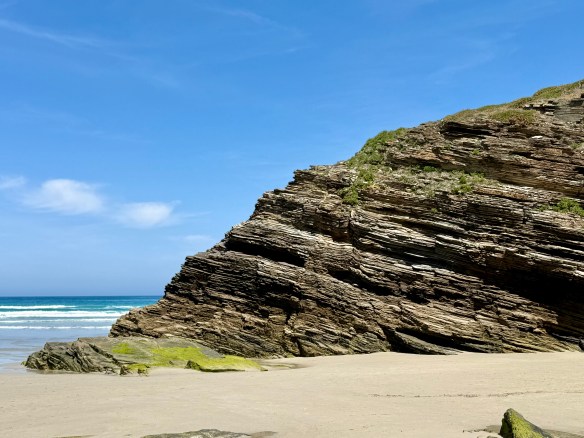
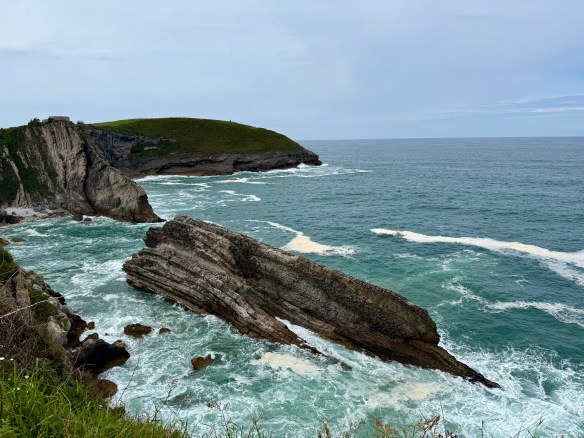
There are some beautiful beaches in this area. One of them is called As Catedrais beach or Beach of the Cathedrals. The best time to visit the beach is at low tides because that is when you can see a lot of the rock formations and arches. We lucked out on our timing and were able to visit right around low tide. The sand is very clean and perfect to walk on. The Atlantic is cold and you didn’t see a lot of people in the water.

The thing about getting to the beach at low tides means we missed getting a good lunch in. It is hard to time when you can check in at a hotel and when restaurants close. Unfortunately for us, that was the case and we couldn’t find a restaurant to eat at. And places don’t typically open back up for dinner until 8 PM. Luckily the hotel had some snack options and we were able to get a small ham and cheese sandwich. On the plus side, we have had good breakfasts at the hotels which has helped carry us through the day. Although breakfast this morning was a little different. You had to ask for milk for your cereal but we didn’t know you had to ask for cold milk. They poured steaming hot milk into the corn flakes. Not something I would recommend anyone trying.

Lakes & Cows

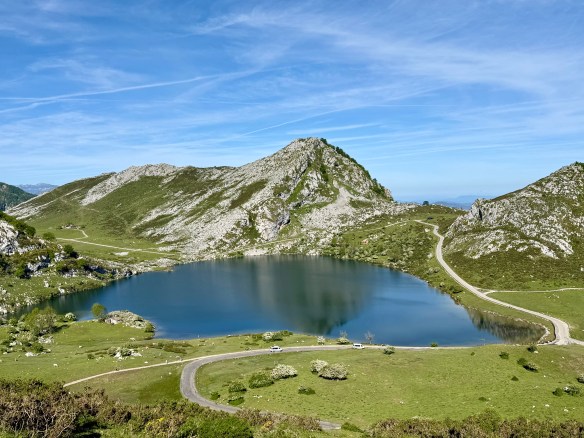
The plan was to drive to a couple of mountain lakes and do a good hike around both lakes. The drive was another beautiful drive up a mountain road where the road only seems big enough for one car. You wonder how they decide where they put the railings because most of the time, you are on a steep cliff with nothing from keeping you from going over the side if there is a car coming at you and you need to get over as far as possible so you both can pass.

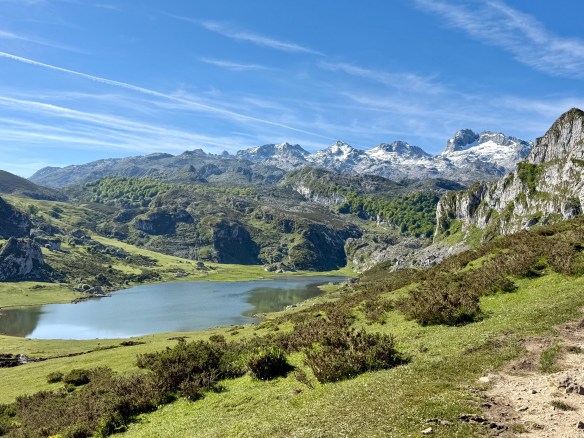
To find the road to Lago Enol and Lago Ercina you just have to drive past the town of Covadonga. From there it is pretty easy to find the correct road to start going up. It was about a 30 minute drive to the parking lot. The road is closed in the summer, and you have to take busses up because there are so many tourists.

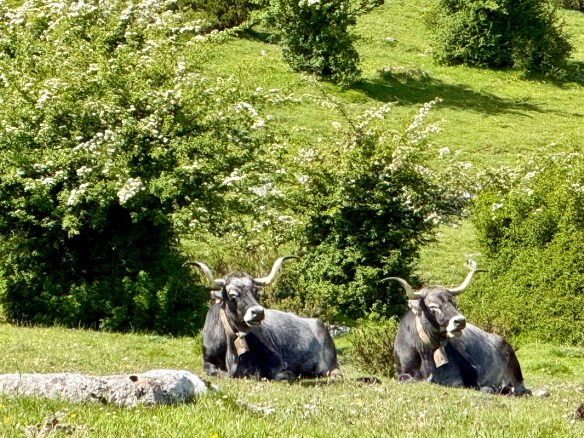
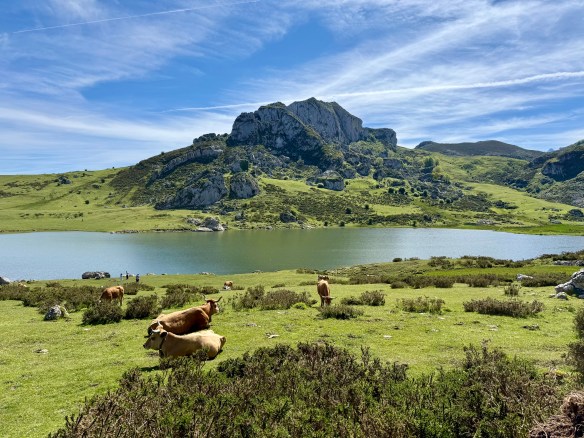
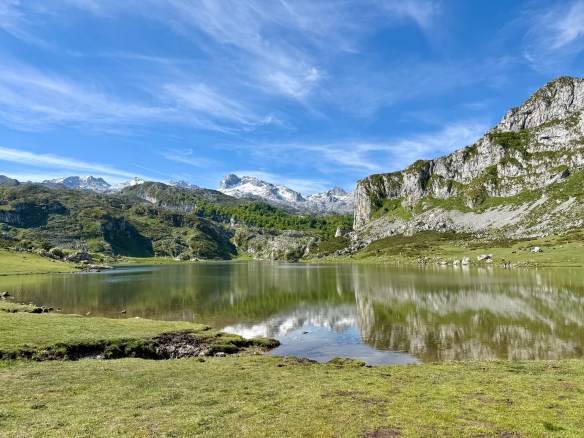
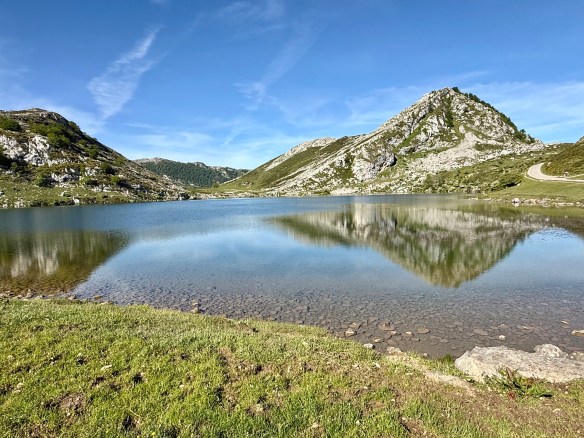
Once parked, we followed the people up the path to the first lake. It is a very picturesque lake with lots of cows around it. From there you have to take another path up for about 15 minutes to get a view of the second lake. And what goes up must come back down to get to the second lake.

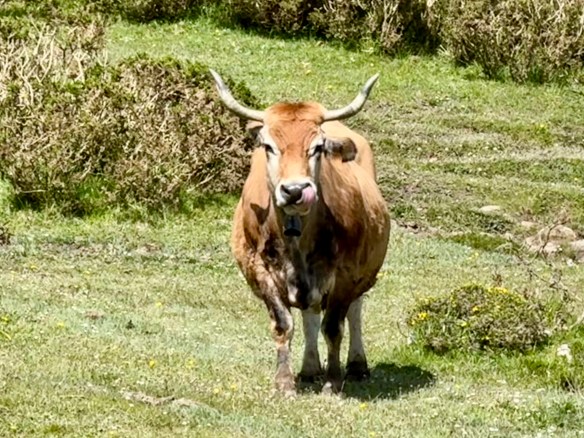
We were going to start our hike at the second lake. Little did we know the grass was like a swamp. My shoes and socks were soaked from the beginning, and I had mud on my pants. They must have had a good snow melt because it hasn’t rained since we have been here and it felt like we were in a swamp. Not only that but you have to be very careful of where you step because of all the cows.

We found the trail that we were supposed to be on but it was very muddy. And there were signs for construction on the trail and detours. One of the detours took us up and around some boulders. But once we got the other side we decided it was way too muddy to continue on. We aren’t talking about just a little mud puddle but deep thick mud that you can’t avoid and it went on for as far as we could see.

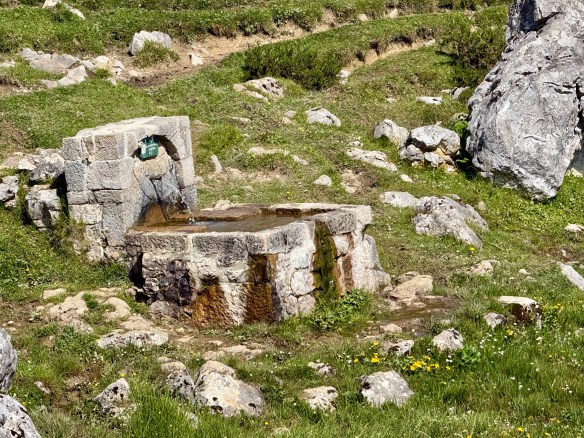
We decided to turn around and head back. We had already been there for 2 hours and literally only made it about a quarter around the first lake. We still had a decent hike back to the car so we still got a good amount of walking in. On the way back down from the detour, I thought I was stepping on a rock but I was very wrong. Next thing I know, my feet went sliding out from underneath of me and I was on the ground. Yep, I stepped in a very large pile of cow manure. It was very mossy green on the inside and boy was it slippery. After having a very good laugh, I walked back to a water fountain that wasn’t that far away to at least wash my hands and try to get some of it off of my pants. But the damage was already done and I smelled and looked like I fell in cow manure. It sure was a fun drive back to the hotel in smelly clothes.

Good thing the lakes were so beautiful and I got a good laugh in at the same time. Sometimes you just need a good laugh at yourself I guess.
Fuente Dé Cable Car

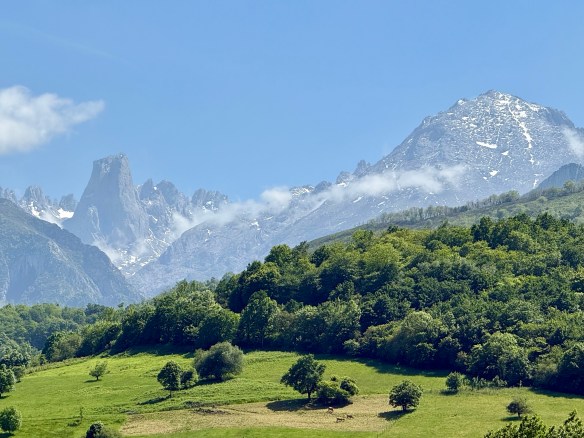
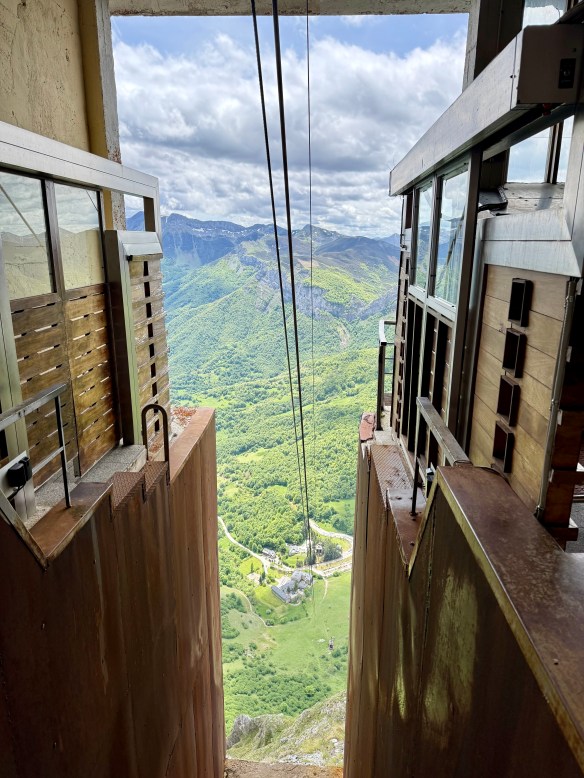
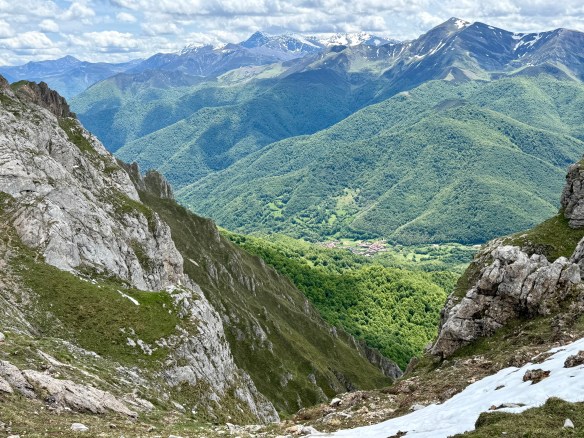
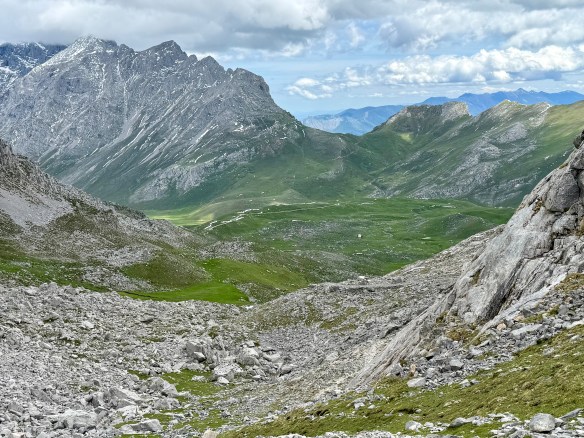
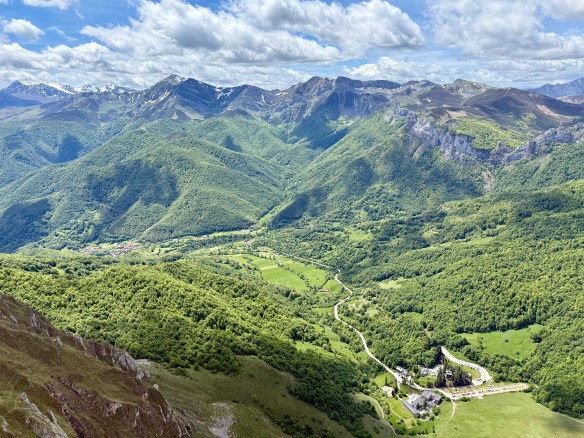
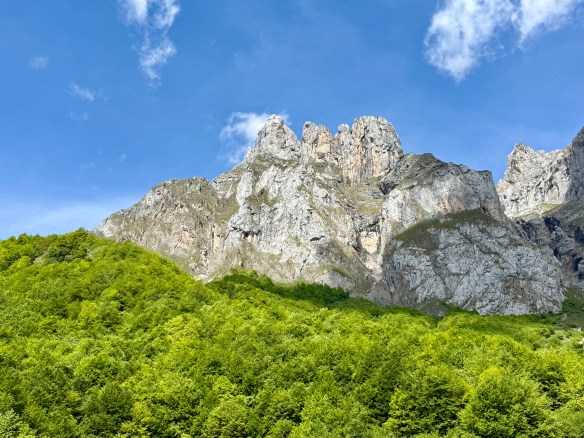
We were expecting rain on Tuesday but the clouds started clearing and we decided to drive two hours into Picos de Europa to the Fuente Dé cable car. The drive didn’t disappoint as you could see mountains all around as you drove the windy road through the different towns. The drive is pretty easy since it was all pretty flat.
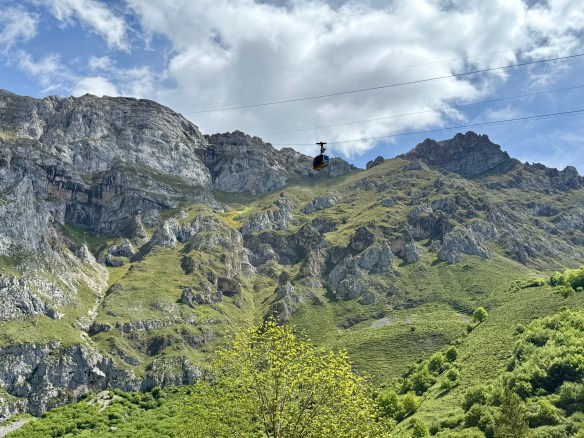
We got to the cable car, and there was a little bit of a line to wait in. They get 20 people in each car, and it takes 4 minutes to get the top. There are two cars so we only had to wait about half an hour. But if you are looking to do this in the summer, it can take hours. There was also pretty much no line right after us so it really is all about timing.
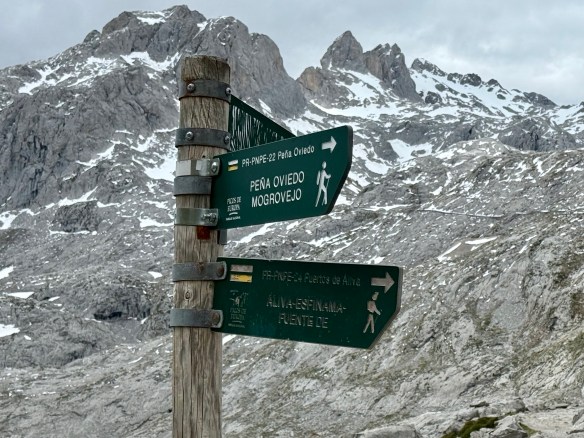
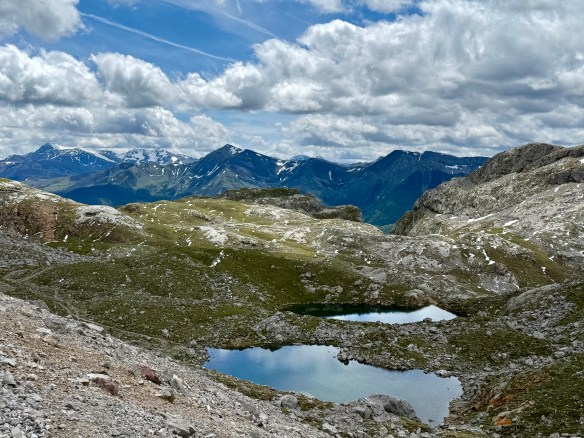
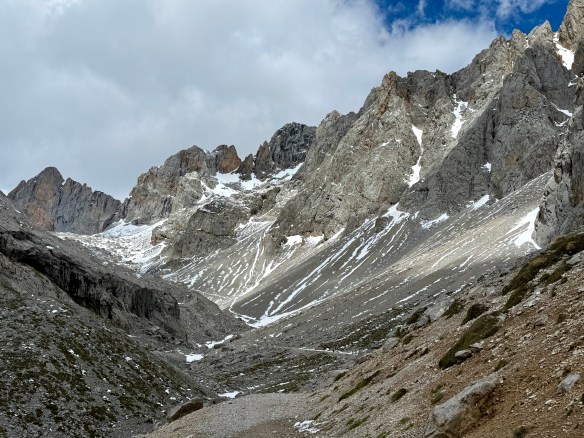
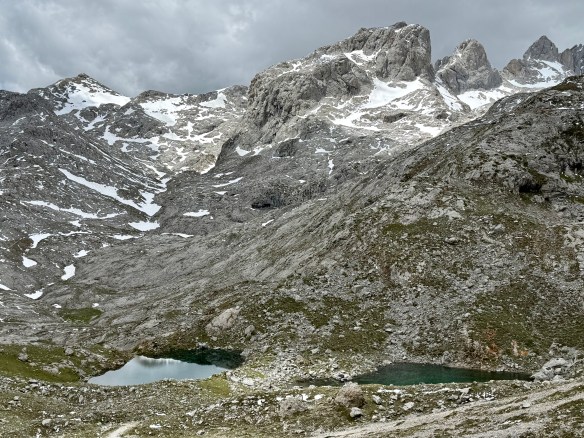
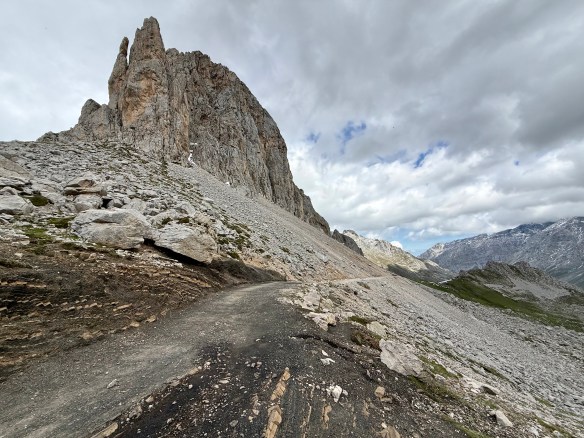
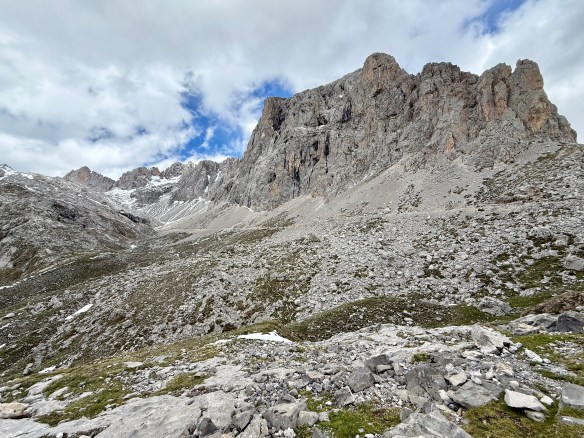
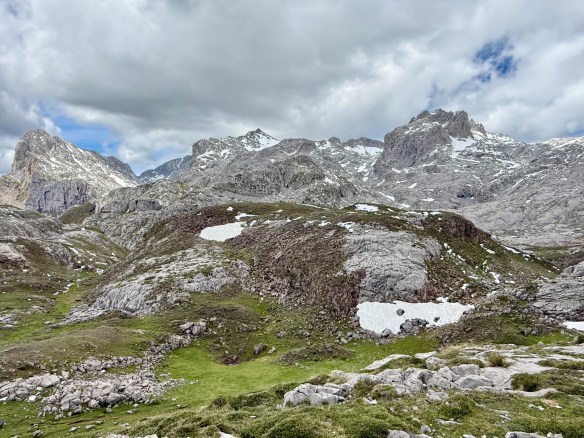
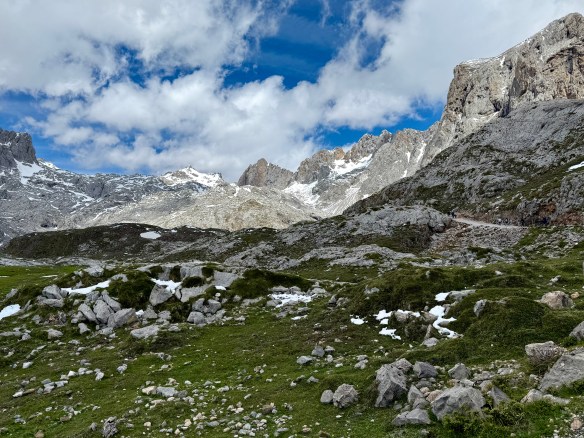
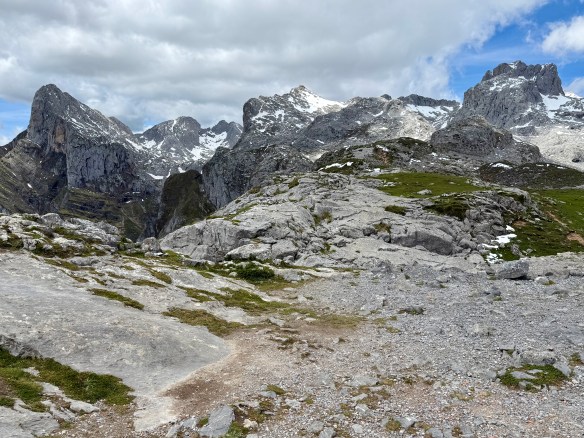
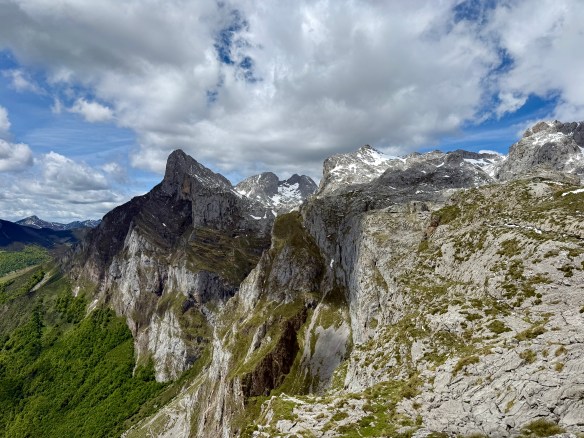
Once at the top, you can follow a hiking trail that is slightly up hill around a mountain. From there you can pick if you want to go left or right. We picked left mainly because I kept wondering what was around the next bend. To our surprise we could see a couple of lakes along the way. And yes, at some point I had to agree that we could turn around because I’m always going to wonder what is around the next bend…or mountain.

You also have the option to walk down instead of taking the cable car. But since we really weren’t prepared with water and food, we opted for the four minute ride back to the bottom. This area was well worth the drive. We headed back for about 30 minutes to the nearest town to get lunch/dinner. From there we were able to pick a different route back that took us through a different section of the mountains. It was all very scenic and turned out to be a great day instead of the rainy day that we anticipated.

Drive from Bilbao to Cangas de Onis

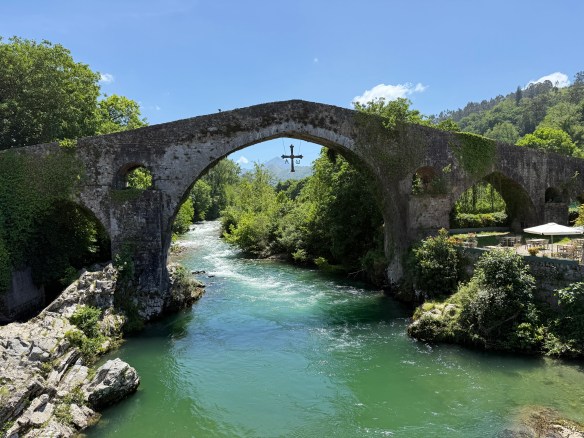
Picked up the rental car this morning at the Bilbao train station and drove west along the northern part of Spain before heading into Cangas de Onis. We had three stops along the way and all were very unique and interesting to see.

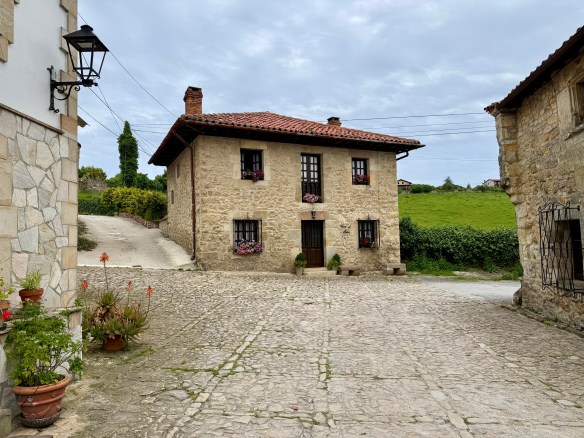
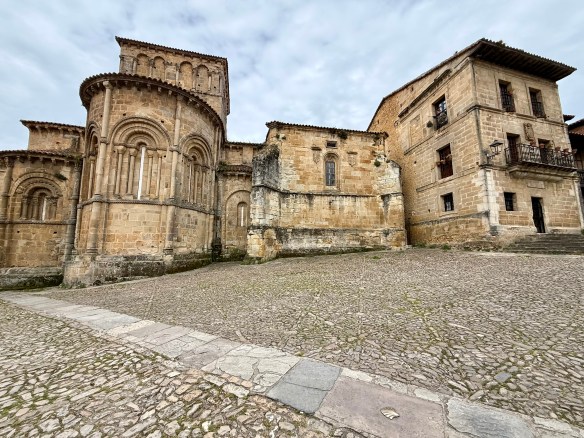
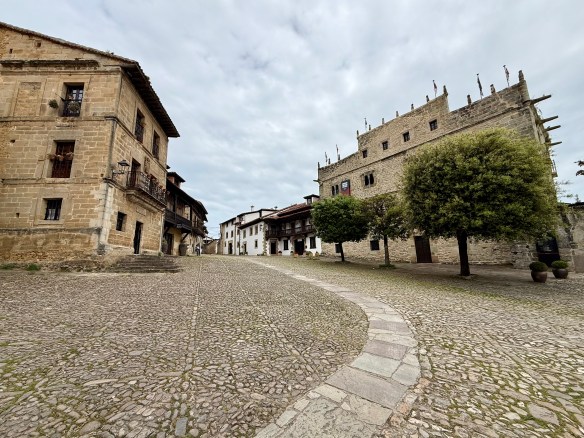
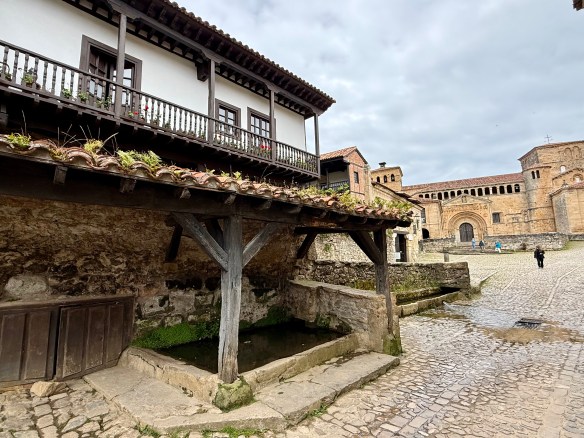
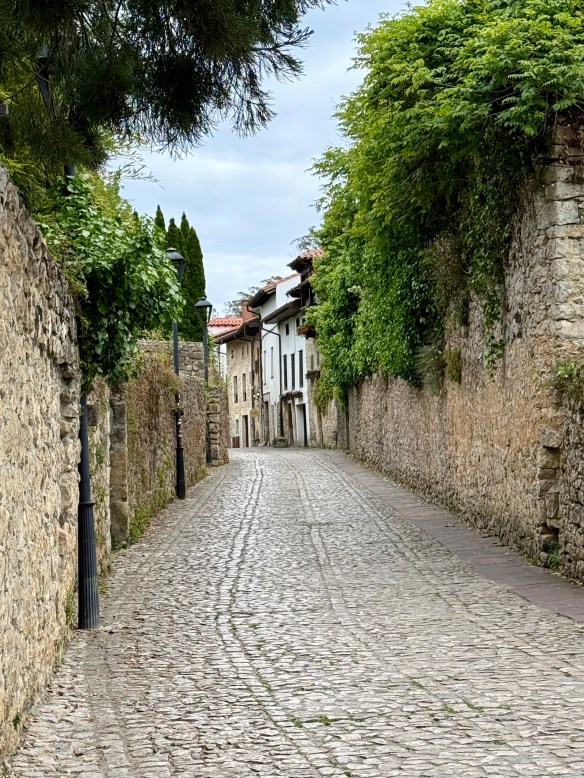
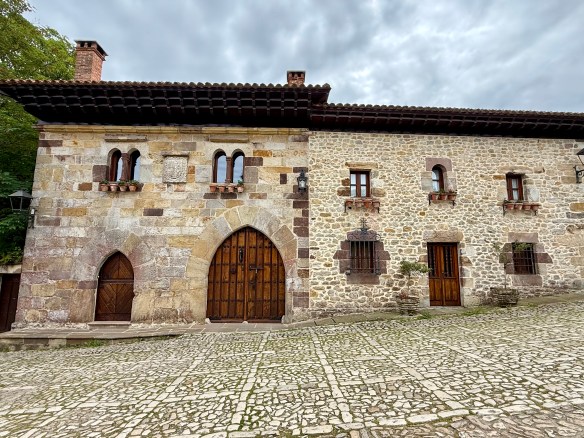
The first was a very old town called Santillana del Mar. The town is a very well kept medieval town dating back to the 8th century. The town also happens to be part of the northern route of the Camino de Santiago so you see some of the pilgrims walking through the town. Only residents are allowed to drive into the town but there is a great parking lot in the newer part of town and you can cross the highway into the old historic town. We tried a traditional pastry while in the town.

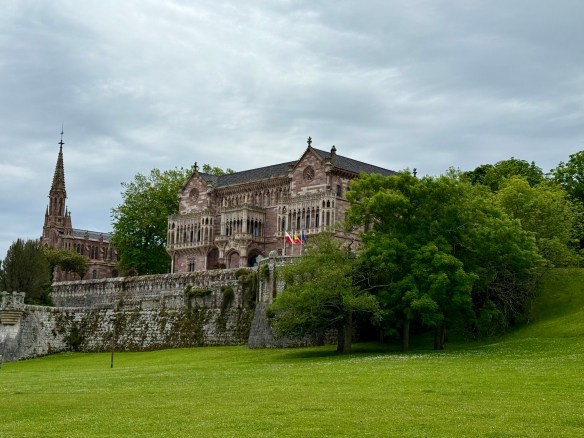
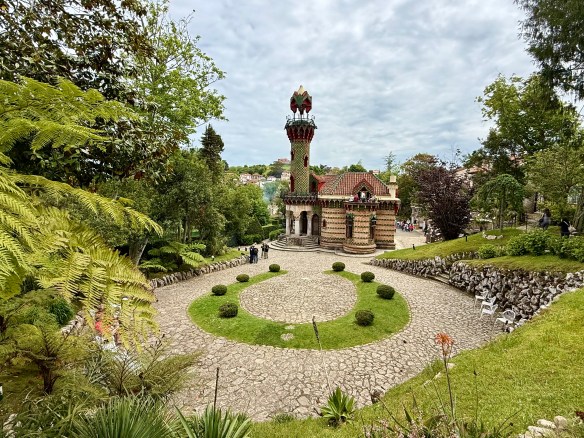
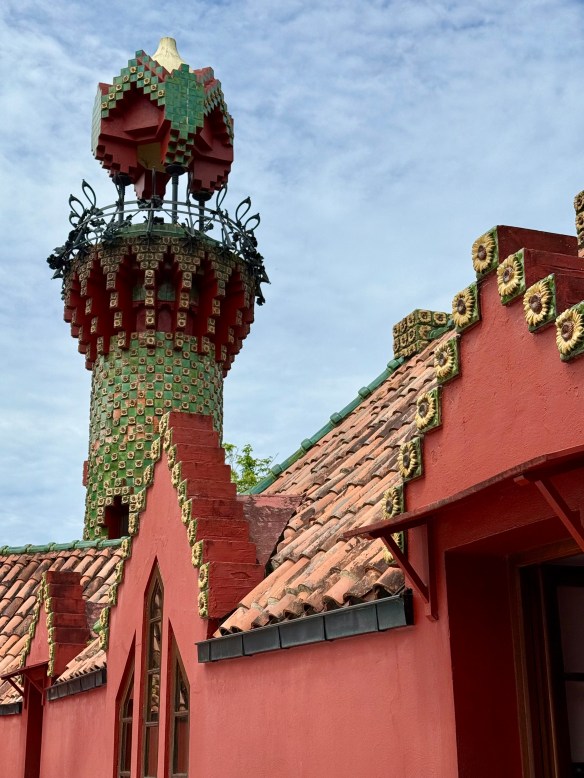
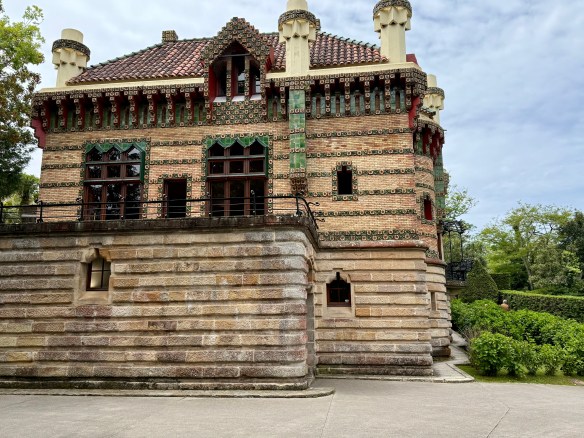
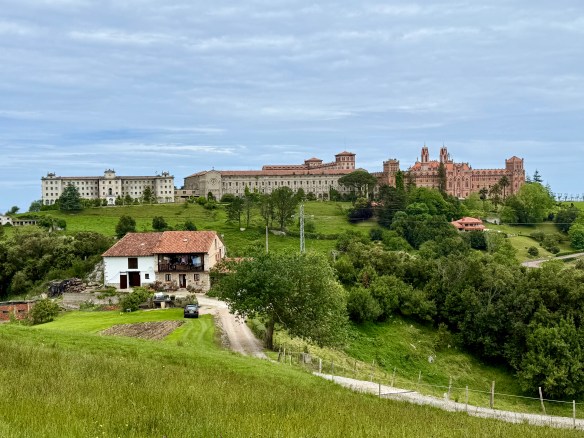
We then headed to Comillas which is a cute town (also part of the Camino de Santiago) and visited the Gaudi house which was very different from his architecture in Barcelona. A short walk around the town and then we stopped at a market to grab materials to make a sandwich. we drove down to the beach to eat lunch down there.

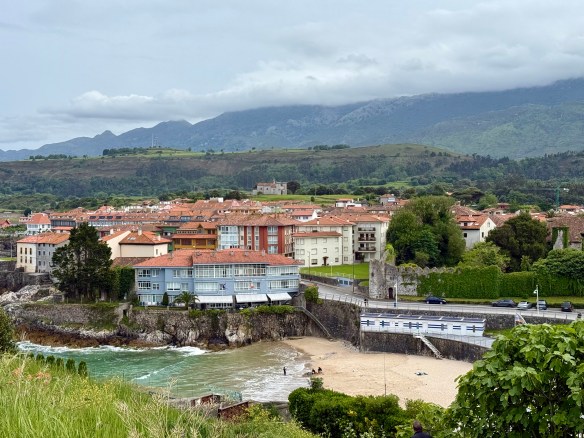
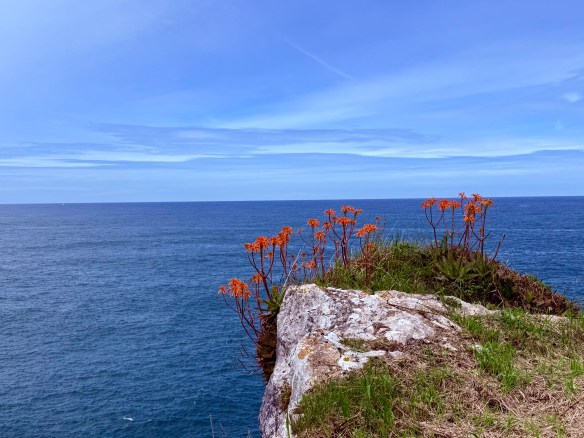
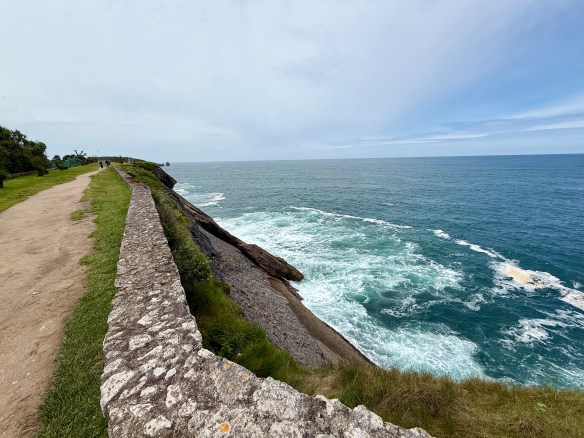
We then stopped at Llanes which is a cute town in northern Spain along the coast. There is a nice walk above the city with great ocean views. Definitely worth a stop to stretch the legs. Would recommend all the stops, including a wrong turn with a great view, for the drive from Bilbao.

Bilbao, Spain

After a long travel day yesterday, we finally arrived in Bilbao. Surprisingly, we arrived 6 hours earlier than expected because we managed to secure an earlier flight from Frankfurt. We originally had an 8-hour layover in Frankfurt, but everything went smoothly, and we were able to board the earlier flight to Bilbao This was fortunate because I was struggling to stay awake.

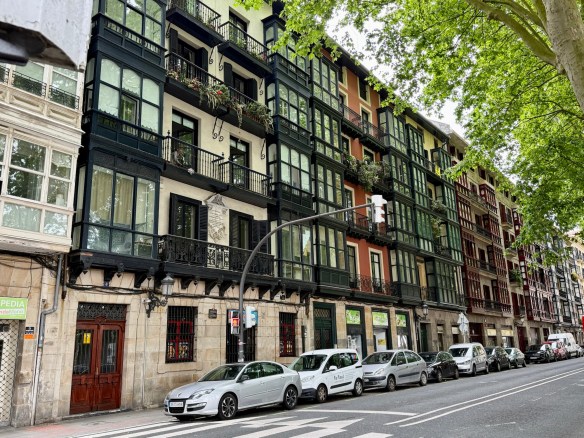
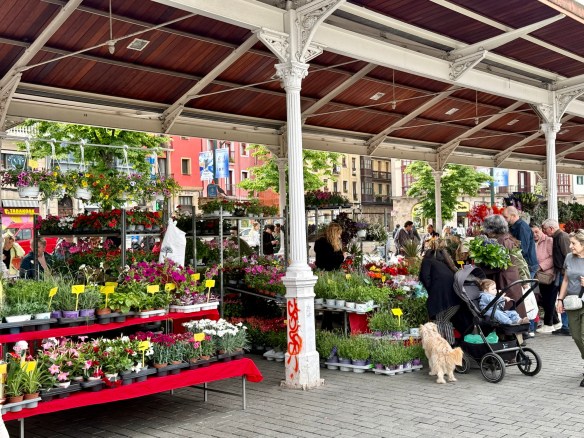
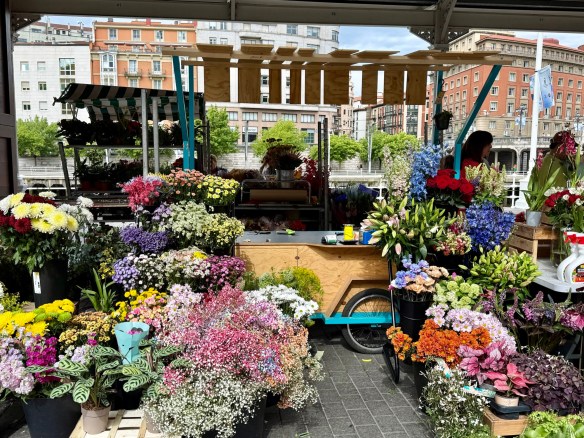
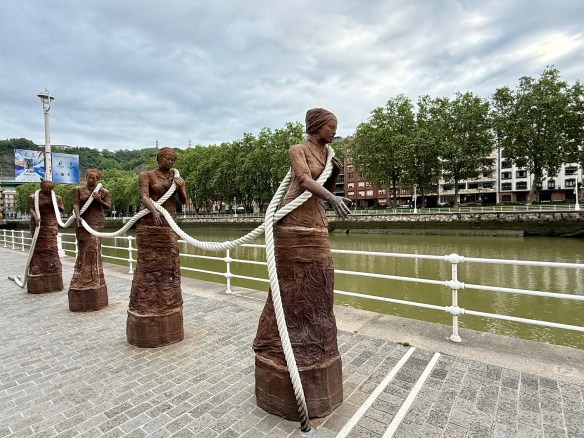
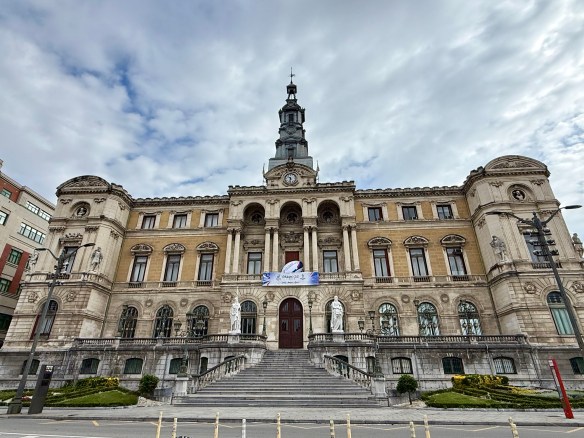
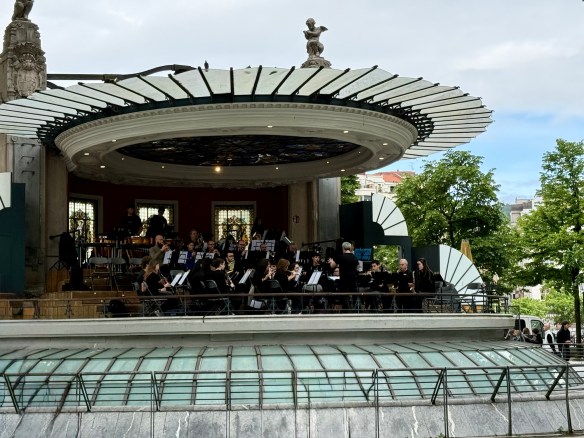
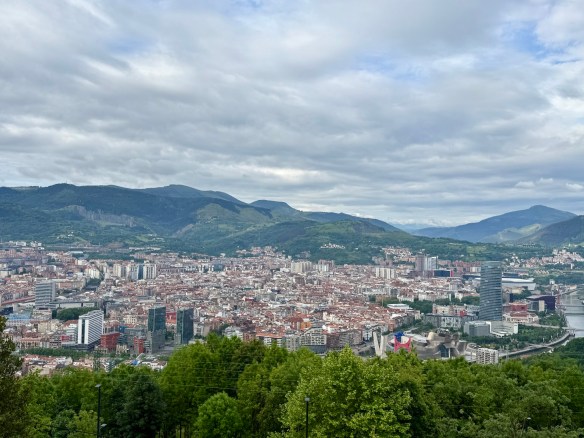
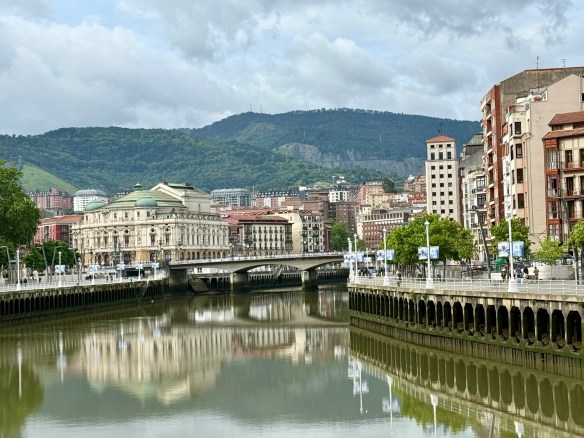
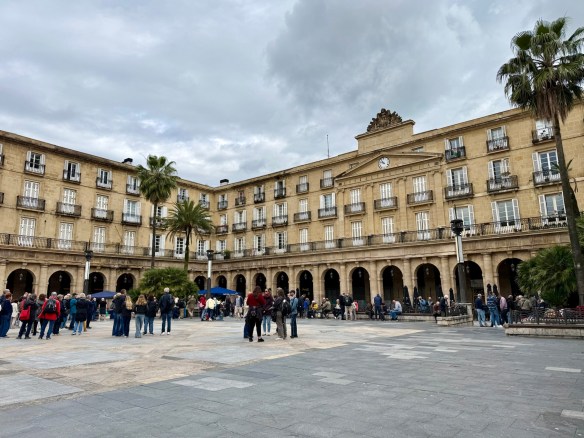
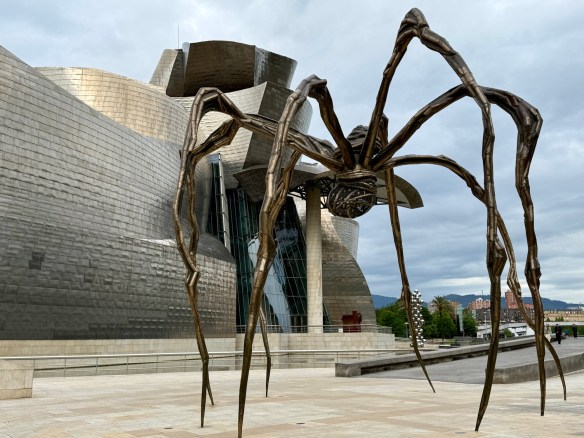
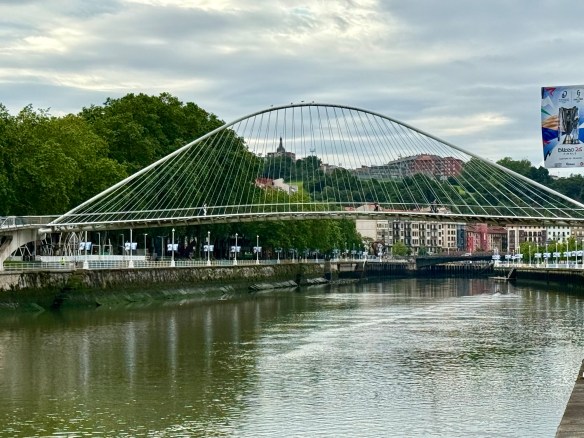
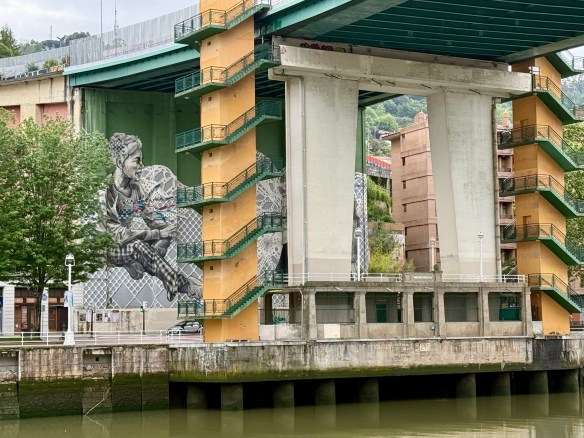
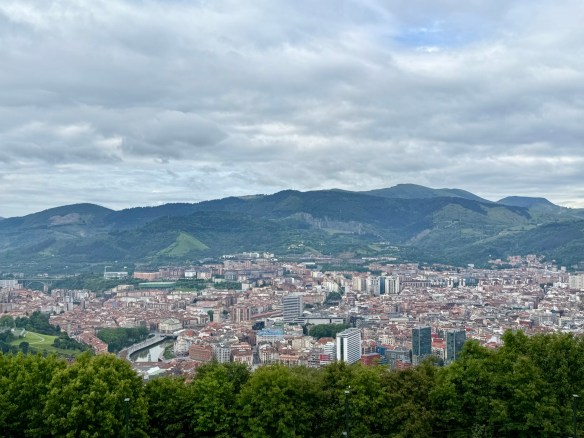
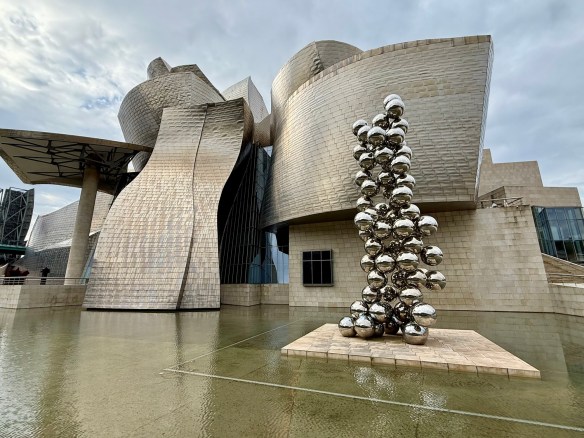
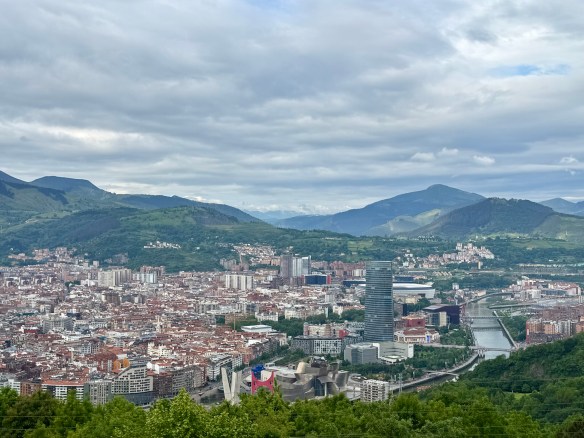
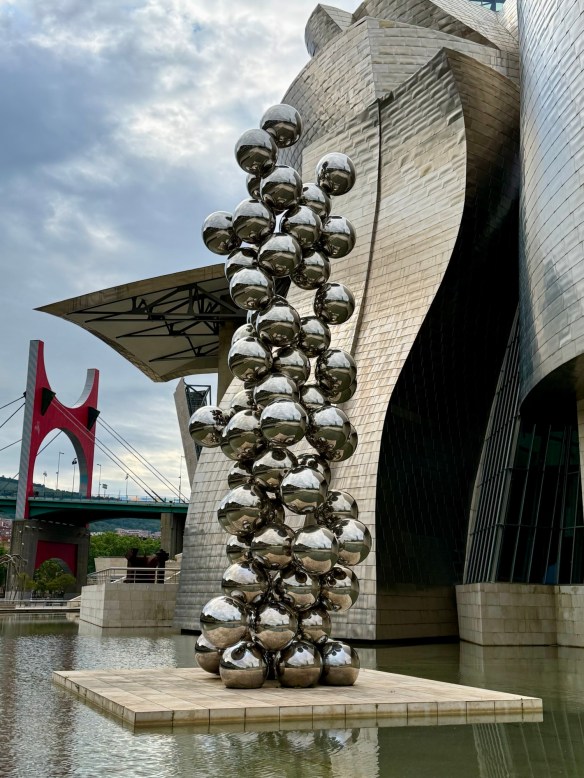
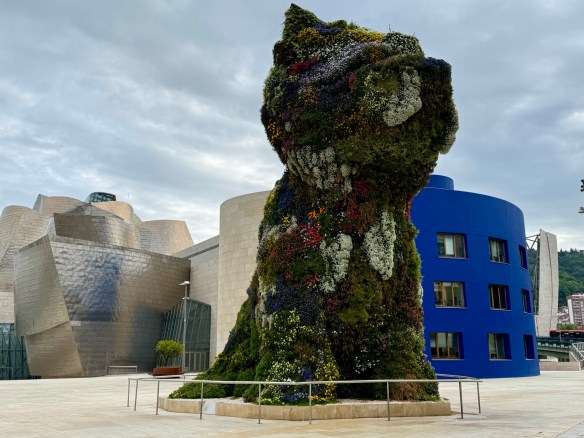
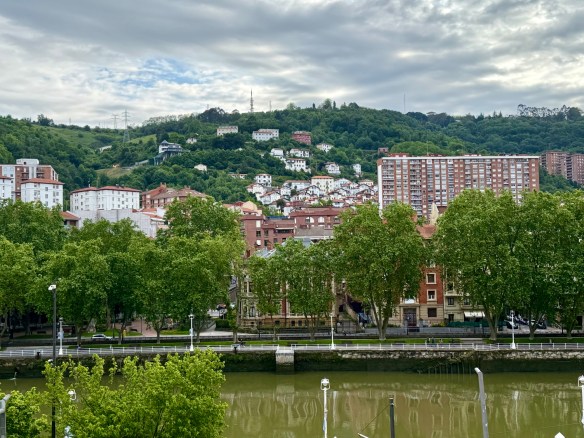
We started our day today by exploring Bilbao. Situated in northern Spain, the city is surrounded by lush green hillsides, making it an ideal starting point for a trip. Bilbao is very walkable, especially along the river. One of the city’s most famous landmarks is the Guggenheim Museum, which happened to be free today. The city was bustling with people out for their Sunday walks, and the flower market was particularly lively.

After a day filled with walking and exploring, we plan to pick up the car tomorrow and head west to Picos de Europa National Park.

Lisbon

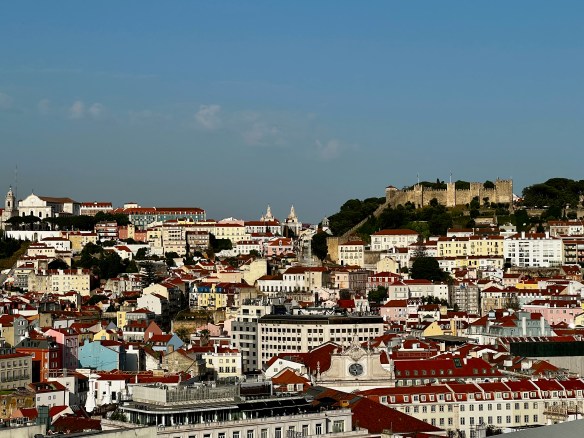
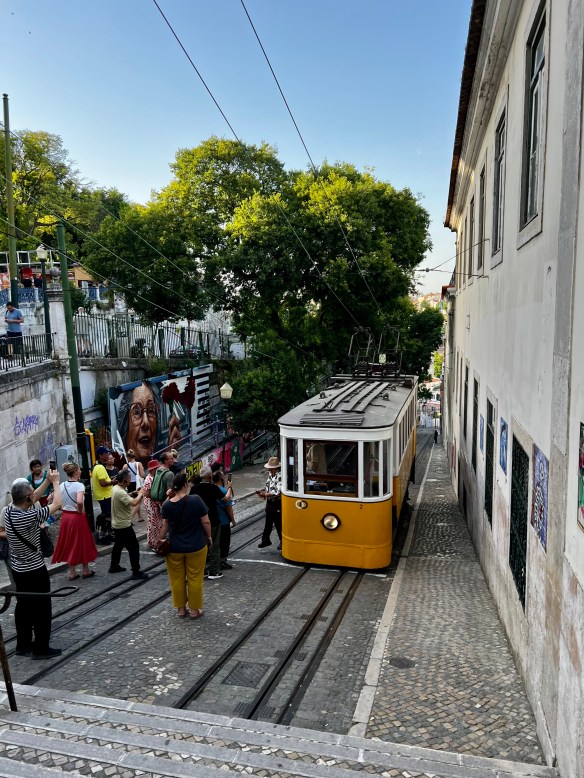
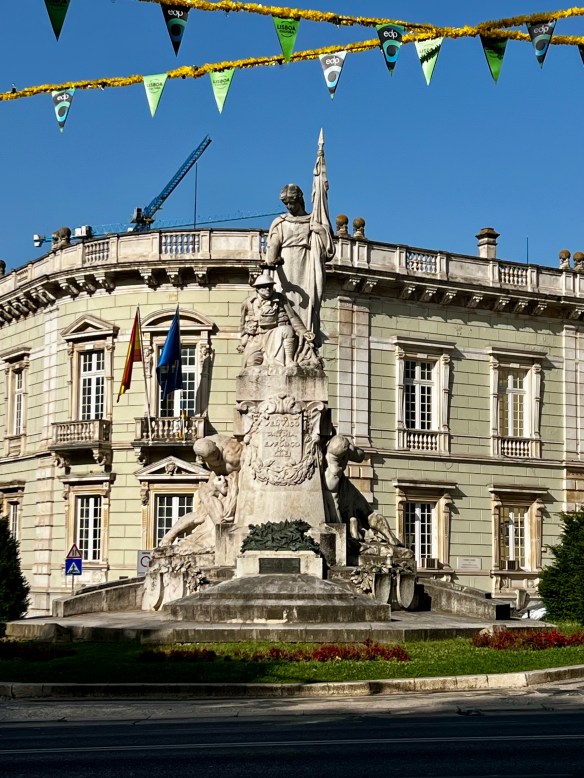
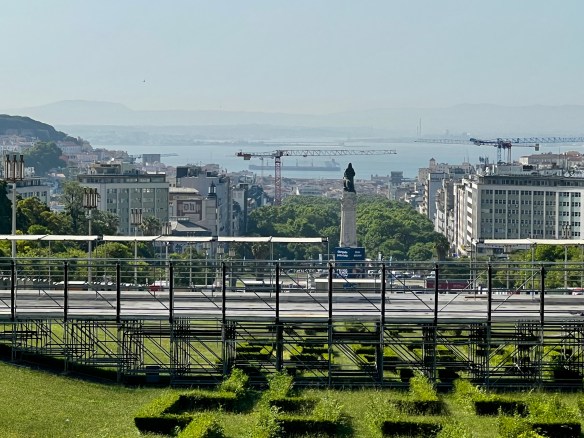
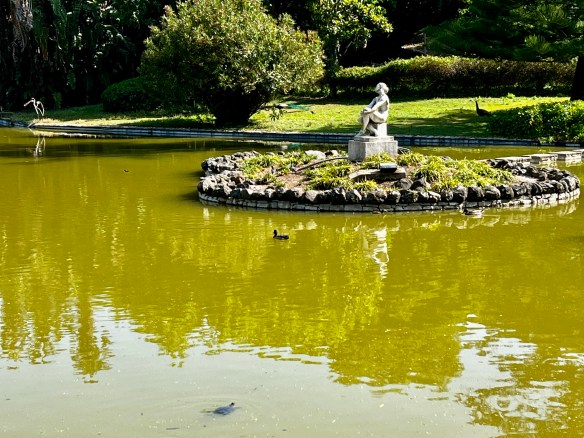
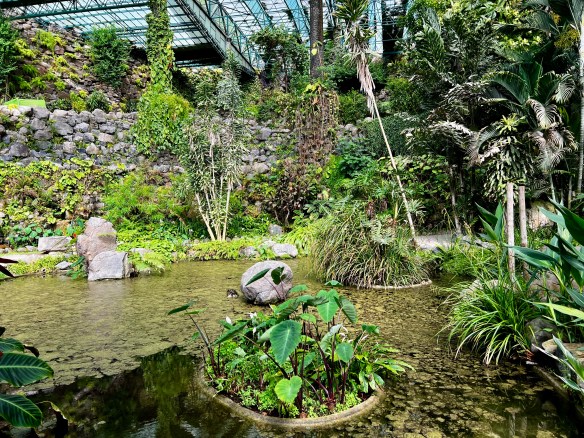
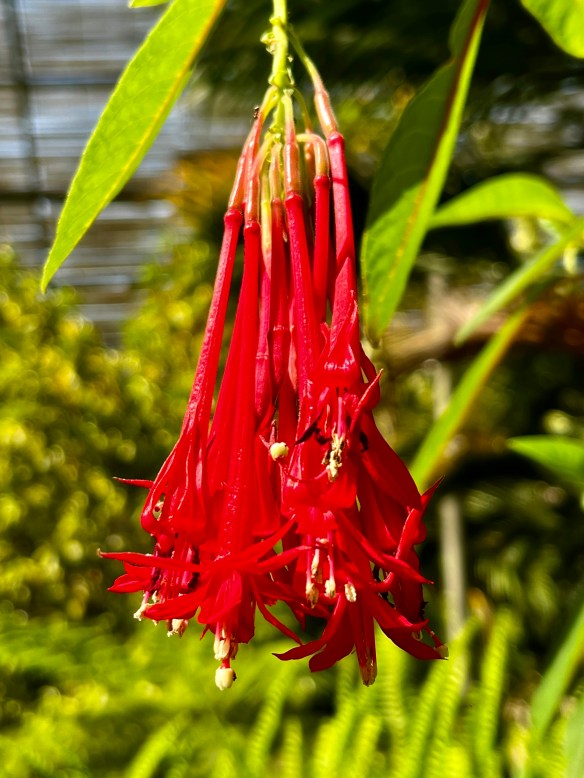
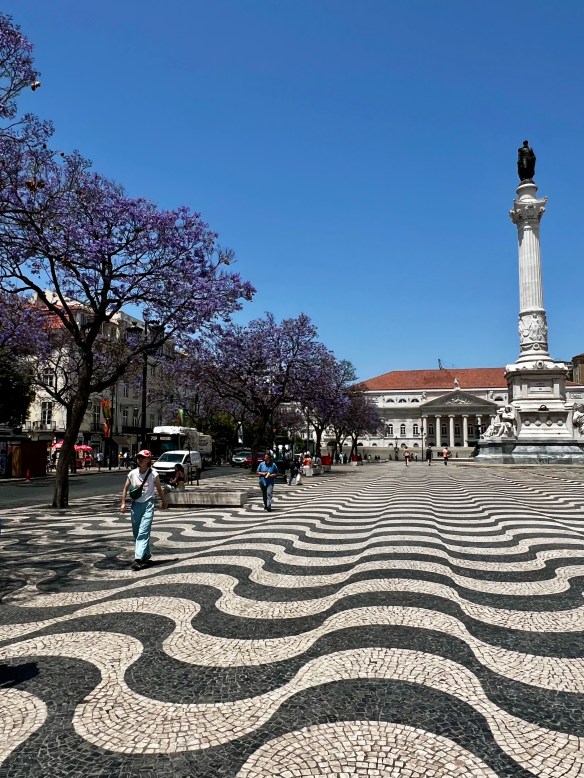
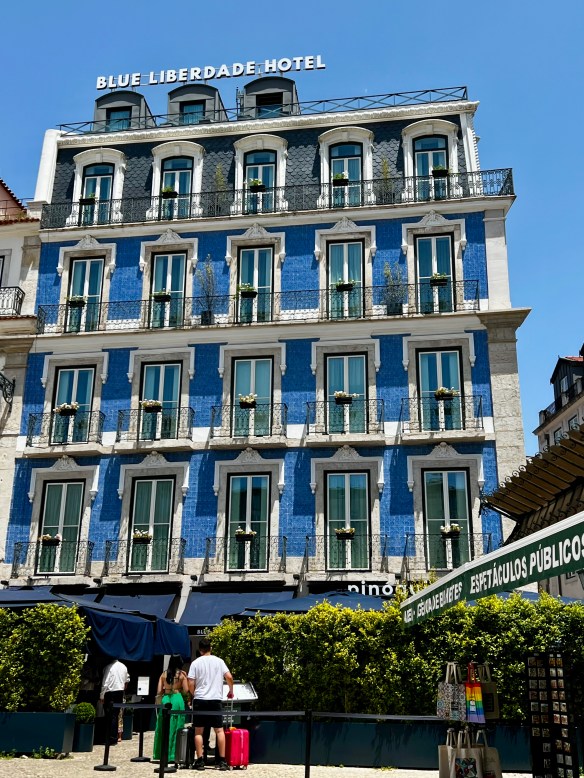
We have been in Lisbon the last couple of days because this is a good ending place to get our flight back home. It has been very hot in Lisbon but we have still walked around a bit. We walked to a botanical garden that also has a good view of the city. Lisbon is a beautiful old city that I like coming back to. Although it has a lot of tourists, the streets are so pretty to walk down. And they have a lot of good places to eat or get a snack.

This trip has felt like a lot of little trips since we have done so many different things. Hard to believe I was in Morocco last week. Everything has been so great and I’m so lucky to be able to explore so many different places.

São Miguel – East Coast

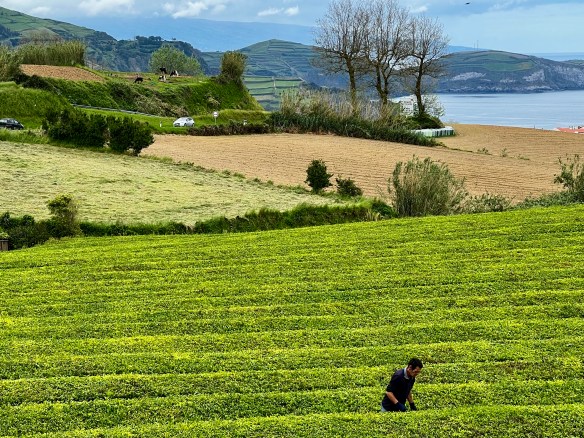
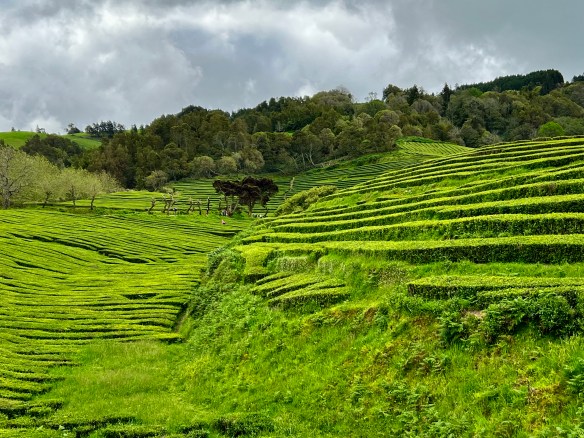
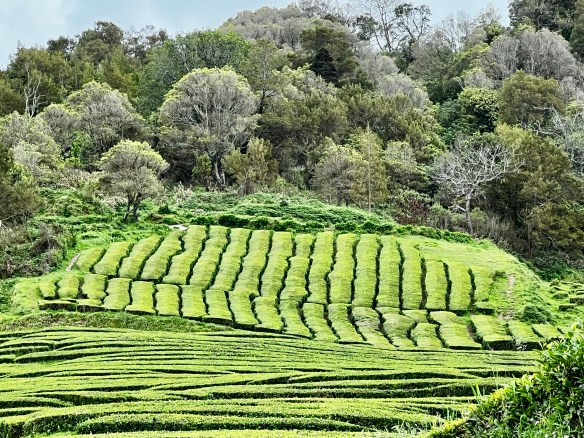
For our final day on the island, we headed to the east coast. First we stopped at a tea plantation that is located on the north east coast. This island has the only two tea plantations in Europe for industrial production. Tea has been grown on the island for 200 years. The climate on the north part of the island is perfect for growing the tea. The common pests of tea plants can’t survive the humid weather so they don’t need to use any chemicals or insecticides to protect the plantations. We visited the Gorreana factory which has been opened since 1880’s. You can do a little tour to see the machinery and watch the production. They mainly export to Portugal, Germany and the US. The plantations are very scenic with the rows of green plants and the Atlantic in the background. Not to mention, it smells good too.

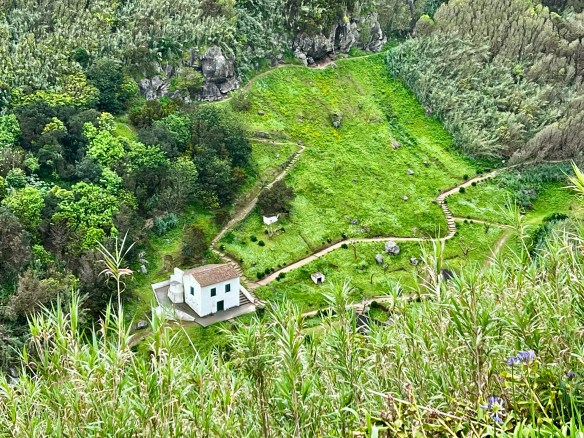
From there, we continued driving to viewpoints along the east coast until we reached the town of Povação in the southeastern corner. This was the town that people first settled to in the 1400’s. It used to be the capital of the island until a large earthquake destroyed the town. The island has been pretty to explore and the roads are very easy to navigate. We fly tomorrow to Lisbon for our final day before flying back to the States.